A warm house through a long Wisconsin winter
Appleton winters do not ease up. January nights settle near 13 degrees on average, snow piles up from November into March, and a furnace here runs for months without a real break. That kind of season exposes every weak spot in a heating system: a tired ignitor, a blower motor that drags, a filter that has not been changed since autumn, a vent that ices over in a cold snap. We built Paper City Heating around that reality. Our work is furnace work only, and it covers the full range of what a Fox Valley home needs to stay warm, from a stopped unit on a cold night to a planned replacement before the season turns.
Paper is part of this city's story. Appleton grew up around paper mills on the Fox River, and the name Paper City stuck because the mills shaped the town, its jobs, and its neighborhoods. Many of the homes we visit carry that history in their bones: older bungalows near downtown with small duct runs, mid-century ranches on the north side, and newer builds out by the Fox River Mall area with larger, zoned systems. Each type heats differently, and each one rewards a visit that starts with the house itself rather than a generic checklist. We look at the furnace, the ductwork, the thermostat, and the rooms that feel cold, and we talk through what we find in plain language.
Our base sits at 4321 W College Ave, and Appleton is the city we know best. Downtown and the College Avenue corridor, the First Ward, the Old Third Ward, the City Park Historic District, the Lawrence University area, the Riverfront District, North Appleton and Northland, South Appleton, the Fox River Mall area, and the Telulah Park area all sit inside our home patch. When you call, you reach people who know those streets and the housing stock on them. That local knowledge matters when a furnace quits, because the fix for a 1920s bungalow is rarely the same as the fix for a new build with a two-stage unit and a smart thermostat.
What you can expect from a visit
01. A straight answer
We test the unit in order, thermostat to ignition to blower to safety controls, and we tell you what failed and why it matters.
02. Furnace-only focus
We work on furnaces and the parts around them: burners, heat exchangers, blower motors, ignitors, flame sensors, gas valves, and controls.
03. No jargon walls
If a part has a technical name, we explain what it does in the house, in one or two sentences, before we talk about fixing it.
04. Local knowledge
Appleton homes, Fox River damp, lake-effect snow, and long cold snaps all shape how a furnace behaves. We plan around them.
Furnace services for Appleton homes
Start with the service that matches the problem, or browse the full list on the services page.
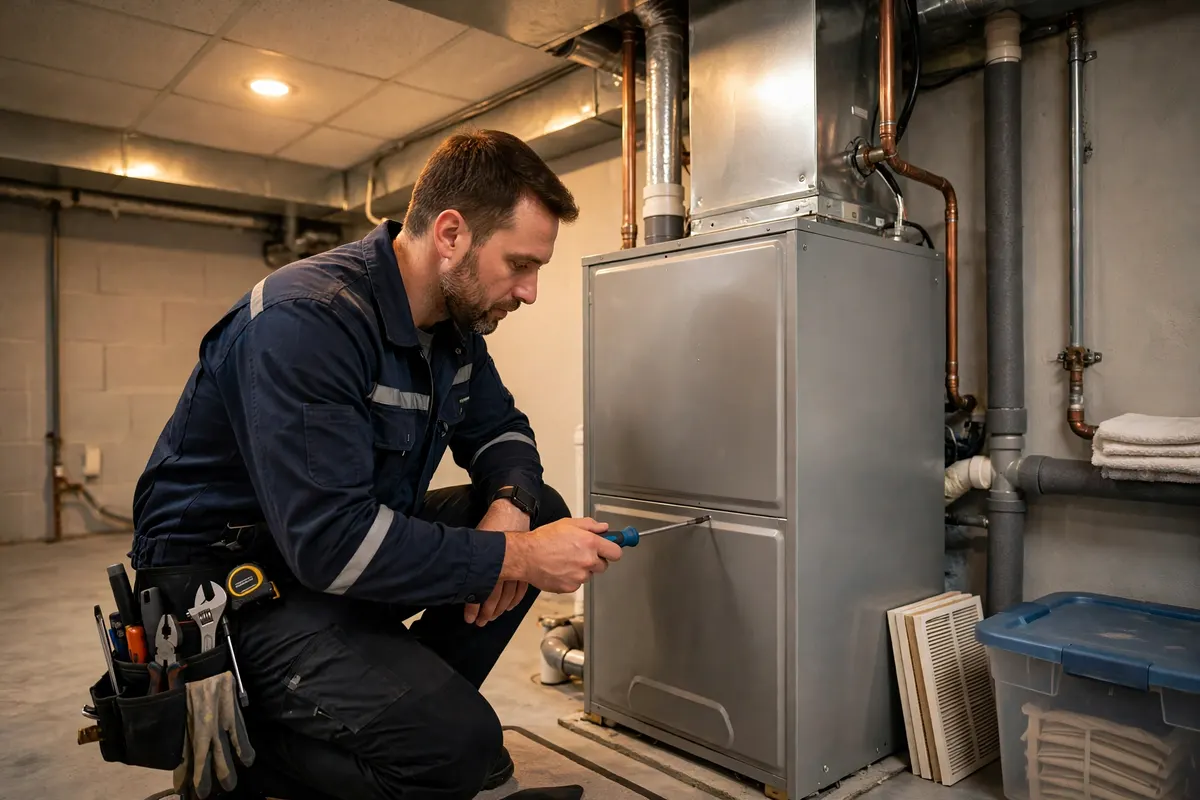
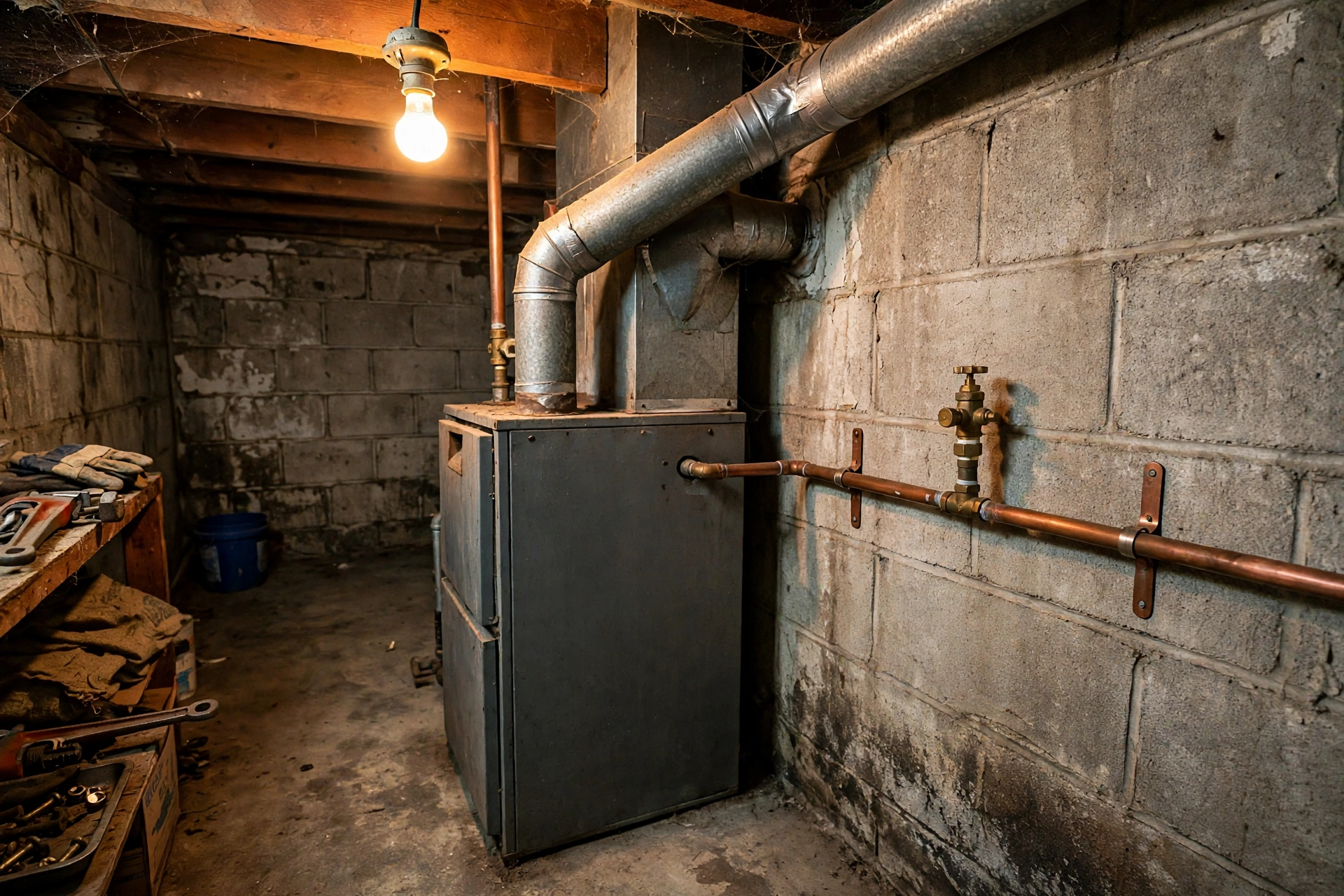
Furnace Installation & Replacement
A new unit sized to the house, with ductwork, venting, and controls checked as part of the job.
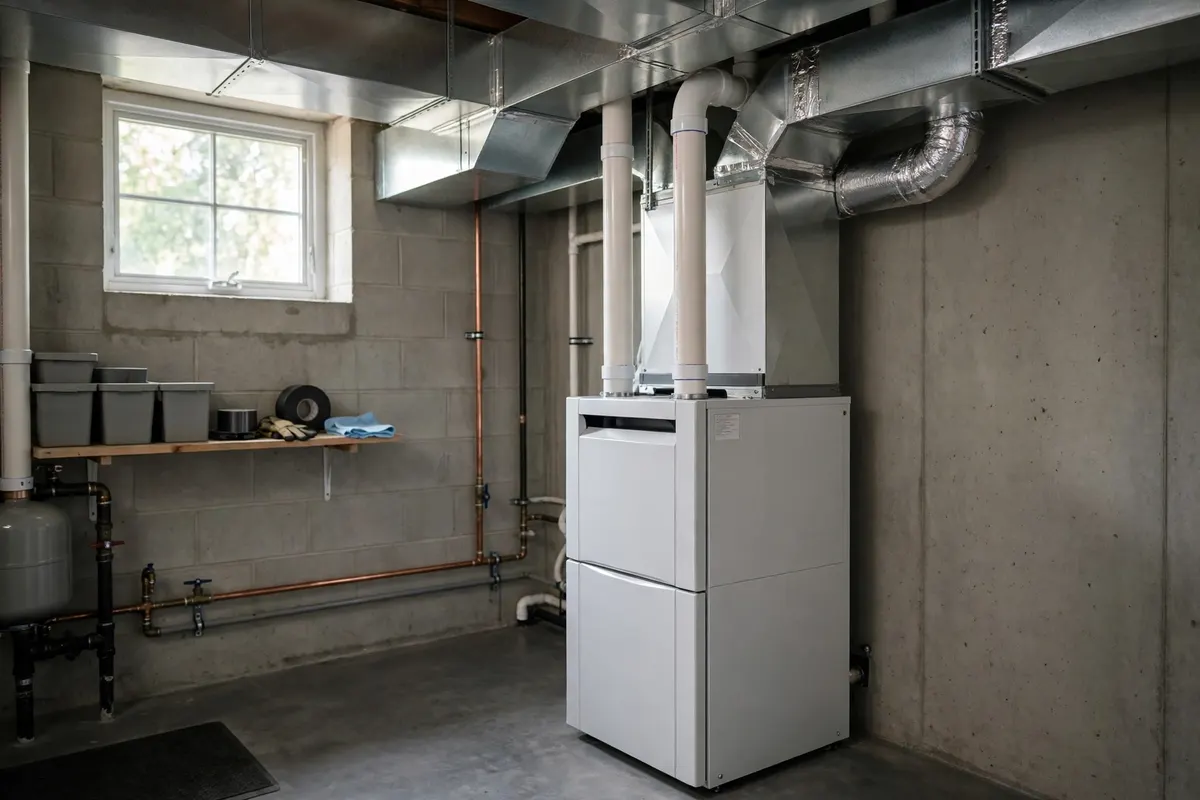
Gas Furnace Services
Burners, ignitors, and flame sensors, plus the venting that carries combustion gases outside.
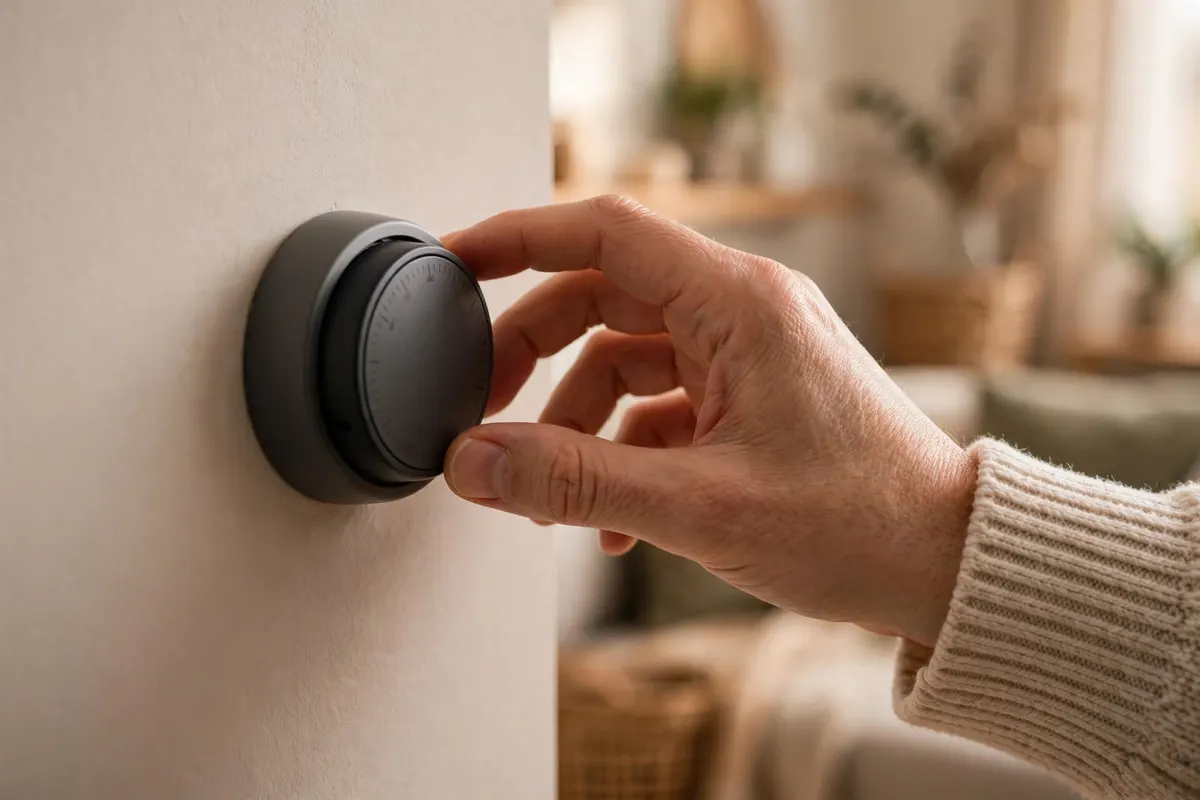
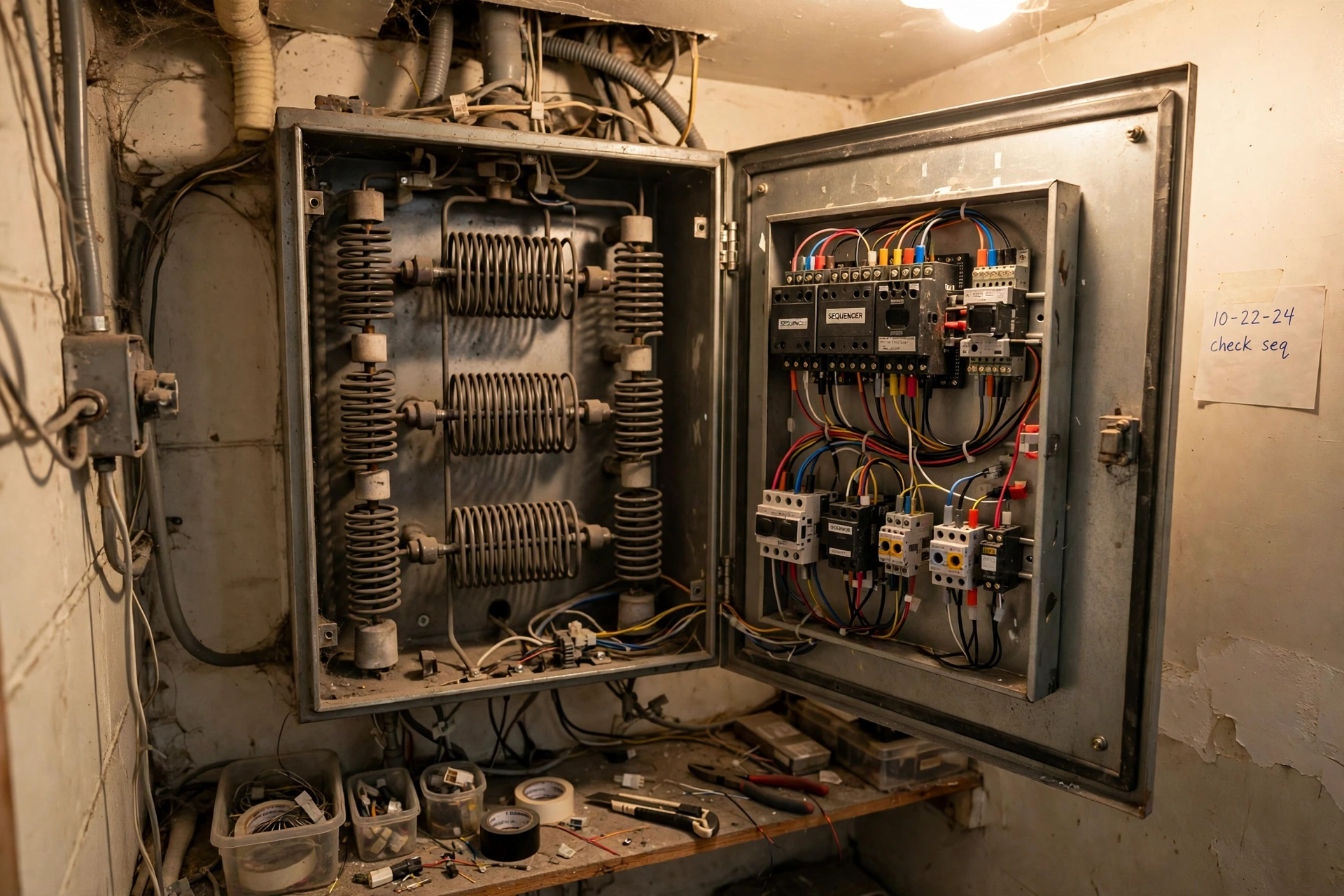
Electric Furnace Services
Heating elements and controls for homes that heat with electricity rather than gas or propane.
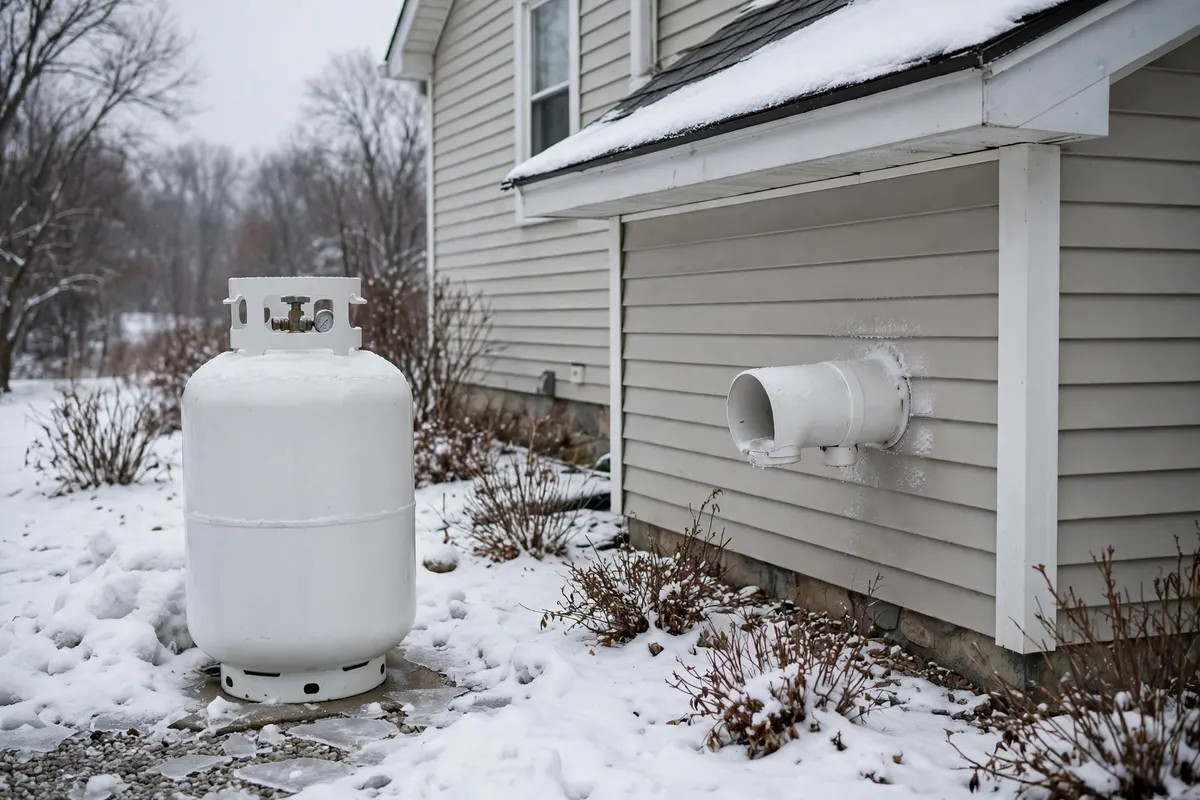
Propane Furnace Services
Propane heat for Appleton homes beyond the gas mains, covering tanks, regulators, and cold-weather running.
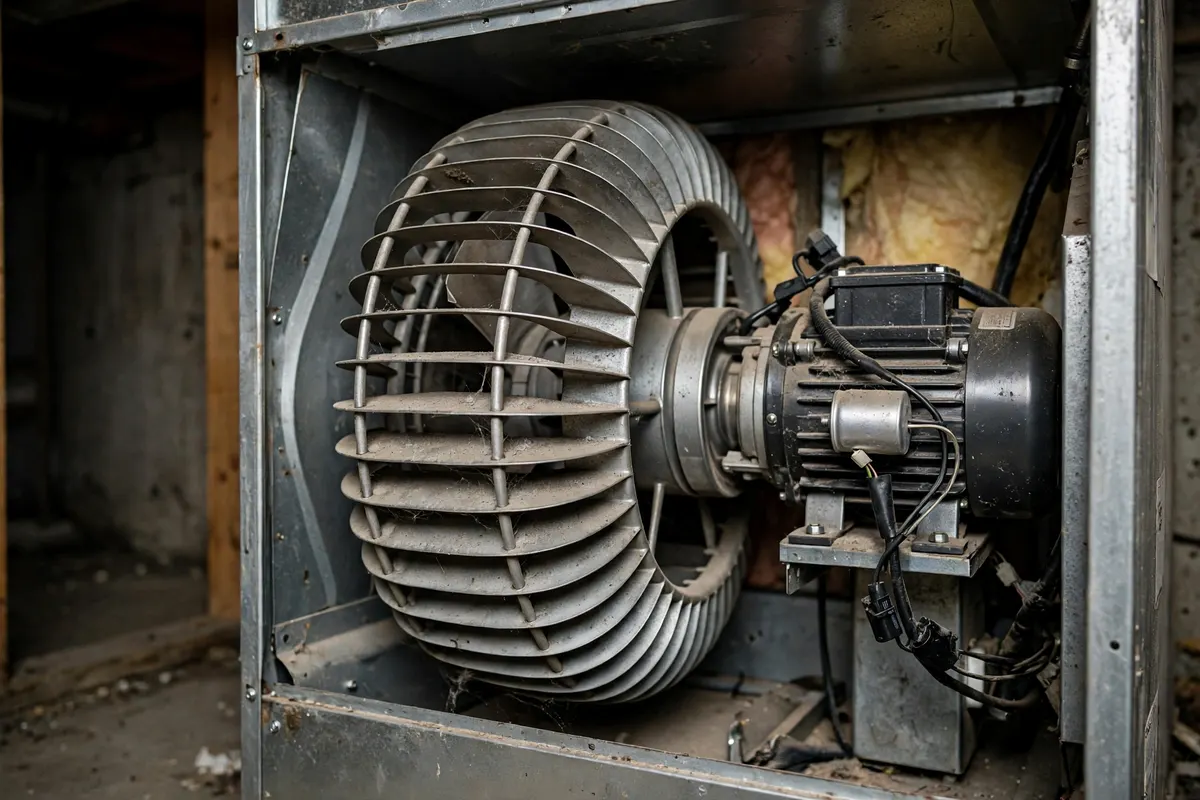
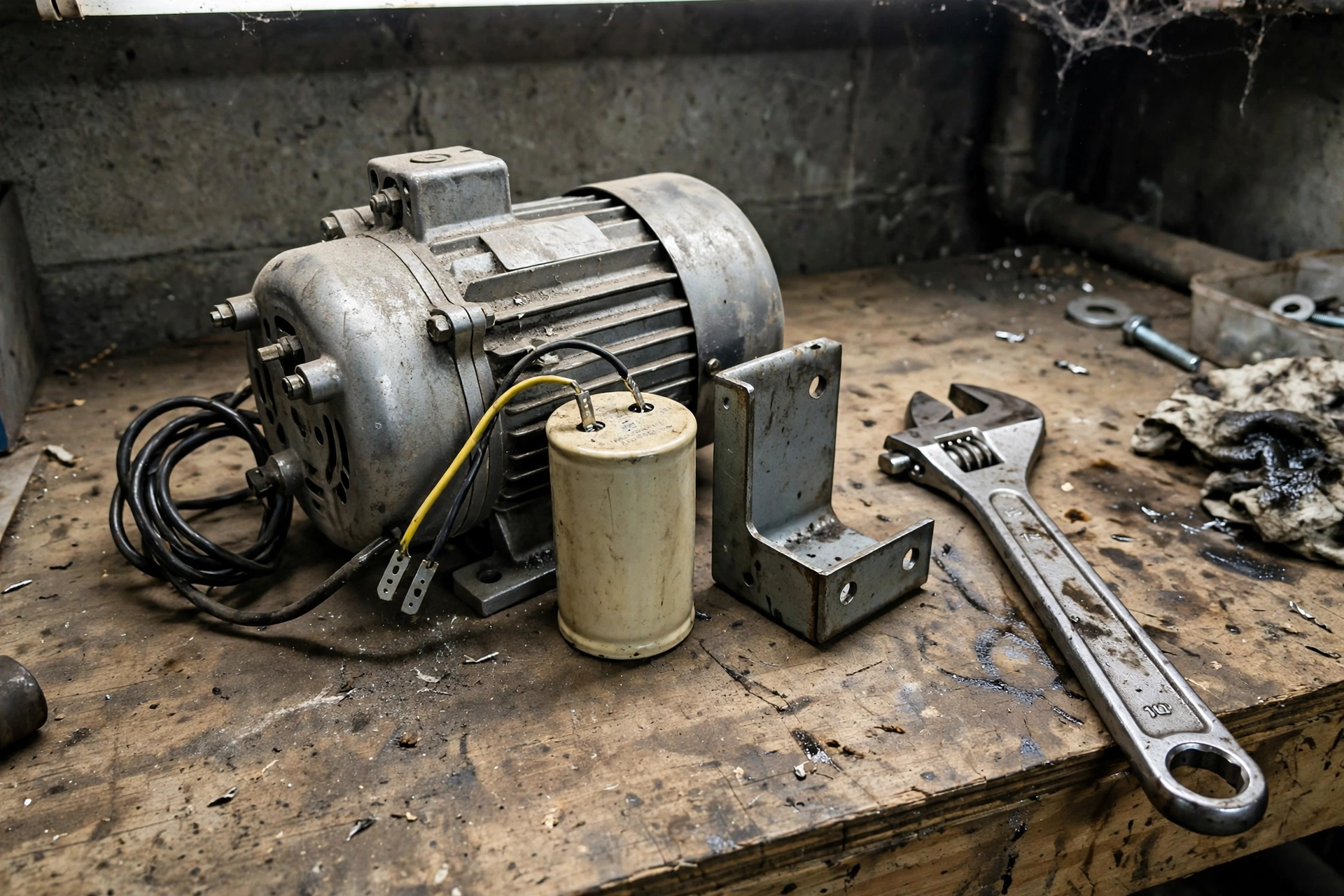
Blower Motor Repair
The fan that moves warm air through the house, and the noises that say it is wearing out.
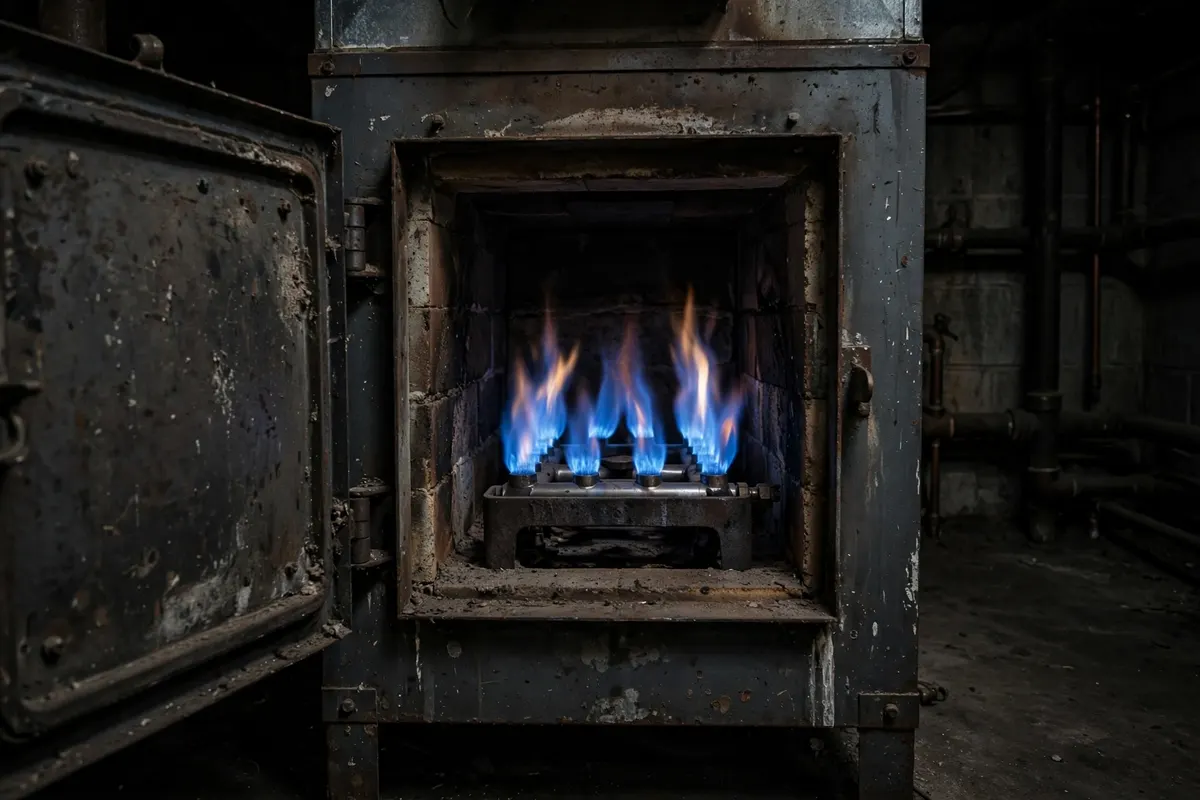
Heat Exchanger Services
The part that carries heat from flame to air, and the safety checks that matter when it cracks.
A closer look at the furnace work
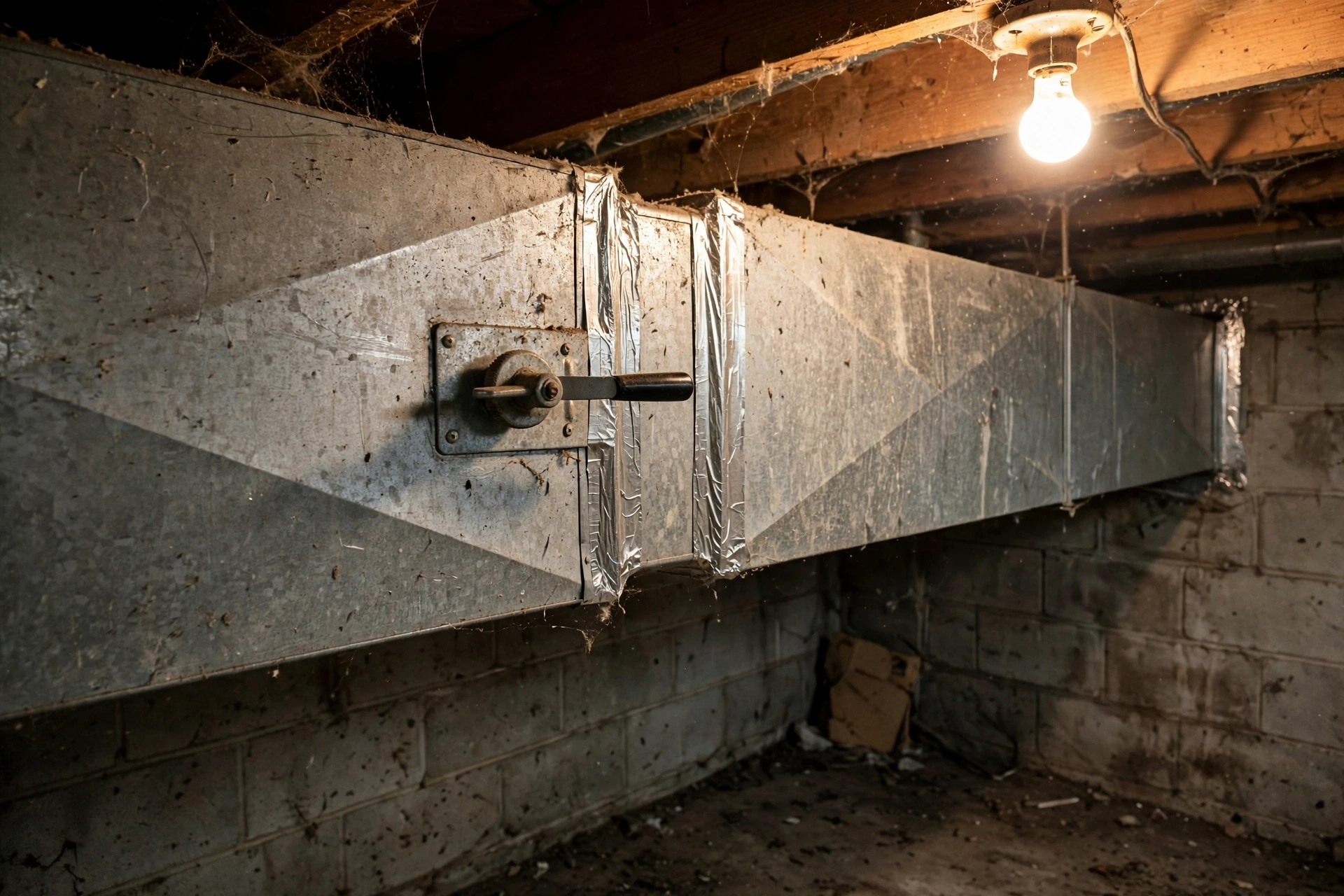
Six services, photographed as they actually look: cabinets open, parts on the bench, and ducts overhead. Each one links to its service page.
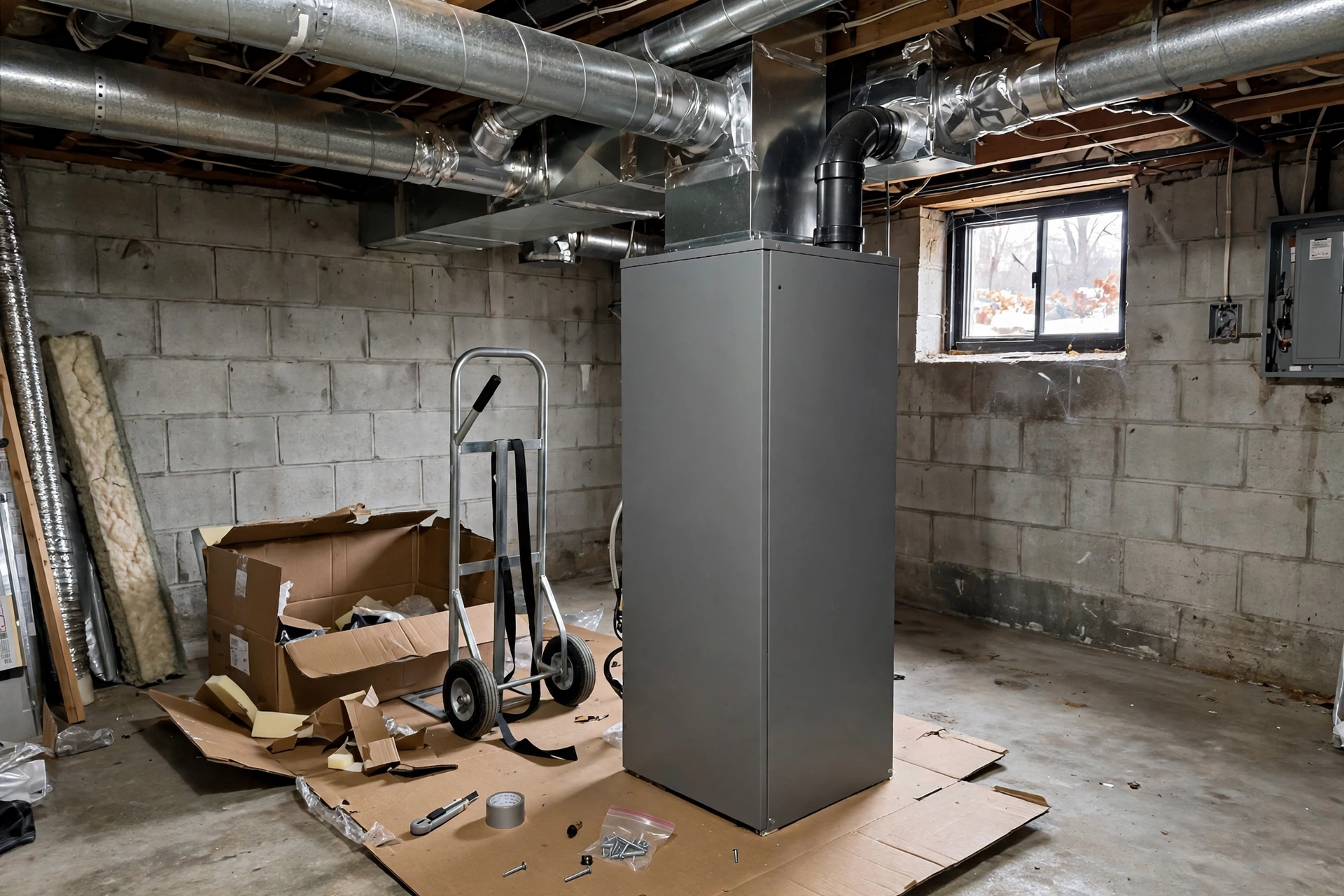
Furnace Installation & Replacement
A new unit, sized to the house, with ducts and venting fitted to match.
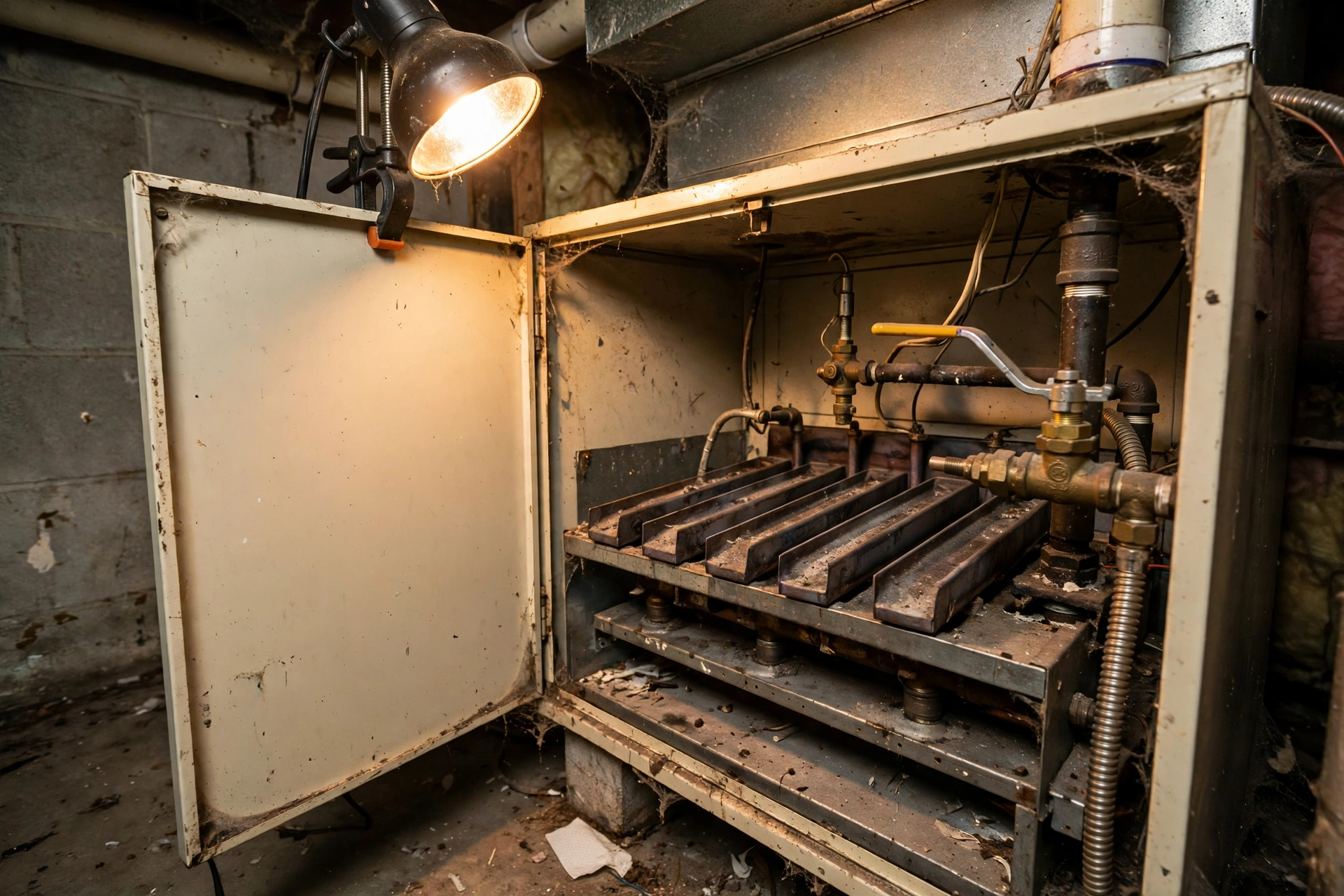
Heat out, or heat acting up?
Tell us what the furnace is doing, or not doing, and we will talk through the next step.
Call (920) 523-4330 Contact usGas, electric, or propane: how they differ
Most Appleton homes run on gas. Homes outside the gas mains often run on propane, and some smaller homes and rentals run on electric heat. The table below compares the setups by how they work, not by numbers, so you can spot which one sounds like yours.
| Feature | Gas furnace | Electric furnace | Propane furnace |
|---|---|---|---|
| Heat source | Burner flame heats the heat exchanger | Heating elements warm the air directly | Burner flame, fed from an on-site tank |
| Venting | Flue or direct vent to the outside | No combustion venting needed | Flue or direct vent to the outside |
| Parts that wear | Ignitor, flame sensor, gas valve | Elements, sequencers, relays | Ignitor, regulator, gas valve |
| Cold-weather watch point | Intake and exhaust icing in cold snaps | Airflow and element cycling | Tank level during storms and cold snaps |
| Common in | City homes on the gas mains | Smaller homes, additions, rentals | Rural homes and homes past the mains |
How a repair visit runs
You describe it
What changed, when it started, and which rooms feel wrong.
We test in order
Thermostat, ignition, blower, airflow, and safety controls.
You hear the finding
What failed, what it does, and what fixing it involves.
Heat comes back
We run the unit, check the rooms, and note what to watch.
The Appleton heating season, month by month
November opens the season, January tests every furnace, and March still brings cold nights. Planning a check before the hard cold arrives beats a breakdown in the middle of it.
November
First steady cold. Filters, ignition, and vents get checked.December
Snow settles in. Watch for blocked vents and uneven rooms.January
The coldest stretch. Furnaces run longest and hardest.February
Deep winter. Strain shows up as noise, cycling, or cold rooms.March
Late cold snaps still arrive. A late-season check catches wear.Planning a replacement, or nursing an old unit along?
Either way, a straight conversation about the unit in front of us beats a guess. Call and tell us what you have.
Call (920) 523-4330 Contact usWhere we work
Appleton is home, and the Fox Cities towns around it are the rest of our patch. Appleton detail is below; each town below links to its own page.
Appleton neighborhoods we cover
Our home city carries the ZIP code 54914, and its neighborhoods each heat a little differently. Downtown and the College Avenue corridor mix older commercial buildings with apartments above shops. The First Ward and the Old Third Ward hold some of the city's oldest homes, with small rooms and duct runs that were added long after the house was built. The City Park Historic District and the Lawrence University area sit close to the river, where damp air and older construction both shape furnace work. The Riverfront District follows the Fox River, while North Appleton and Northland, South Appleton, the Fox River Mall area, and the Telulah Park area run newer, with larger homes and more zoned systems. One ZIP code covers a lot of variety, and a visit that respects the house in front of us is the only approach that works across all of it.
Appleton 54914 Downtown College Avenue corridor First Ward Old Third Ward City Park Historic District Lawrence University area Riverfront District North Appleton South Appleton Fox River Mall area Telulah Park area
Fox Cities towns we serve
Grand Chute
See furnace coverage for Grand Chute.
Neenah
See furnace coverage for Neenah.
Menasha
See furnace coverage for Menasha.
Kaukauna
See furnace coverage for Kaukauna.
Kimberly
See furnace coverage for Kimberly.
Little Chute
See furnace coverage for Little Chute.
Greenville
See furnace coverage for Greenville.
Fox Crossing
See furnace coverage for Fox Crossing.
Combined Locks
See furnace coverage for Combined Locks.
Hortonville
See furnace coverage for Hortonville.
Sherwood
See furnace coverage for Sherwood.
Freedom
See furnace coverage for Freedom.
Buchanan
See furnace coverage for Buchanan.
Oshkosh
See furnace coverage for Oshkosh.
Harrison
See furnace coverage for Harrison.
Find us on College Avenue
Our base is at 4321 W College Ave in Appleton. The map below shows the spot, and the contact page carries the same map with our phone and email beside it.
Emergency furnace repair
Emergency furnace repair is part of our general furnace repair work in Appleton. If the heat stops in a cold snap, start here.
What counts as an emergency
A furnace that has stopped entirely in freezing weather counts, because a house cools fast once the heat is gone, and pipes, pets, and people all feel it within hours. A furnace that blows cold air while the temperature outside sits below freezing counts too, since the house is losing ground even though the unit still runs. A smell of gas, a carbon monoxide alarm sounding, or visible soot around a furnace also counts, and in those cases the first step is safety: leave the house if an alarm sounds or you smell gas, and call the gas utility or emergency services from outside before calling us. Those situations are not wait-until-morning problems, and we treat them that way on the phone.
Other problems feel urgent without being emergencies. A furnace that cycles on and off, a room that stays cold while the rest of the house warms, or a new rattling sound that started yesterday all deserve a visit, but they can usually wait for the next available appointment. The difference matters, because it decides how fast we move and what you do while you wait. When you call, say plainly whether the house is cooling, whether any alarm has sounded, and whether you smell gas. Those three facts let us sort the call correctly in the first minute, without a long round of questions while the house gets colder.
What to do while you wait
Keep interior doors open so the warmth that remains spreads evenly through the house, and close curtains on windows that face the wind. Check the thermostat setting and the filter, and look at the vent outside for snow, since a blocked vent is a common cold-night culprit and clearing it sometimes brings the unit back. Do not open the furnace cabinet or adjust gas controls yourself; the parts inside carry gas and high voltage, and a wrong move turns a repair into a safety problem. If the house keeps cooling and the furnace will not restart, gather blankets, move to the warmest room, and keep the phone nearby so we can reach you with questions or an arrival time.
Emergency repair on this site means the same furnace-only work as the rest of the site, just faster and with the safety checks first. We test ignition, burners, flame sensors, blower motors, heat exchangers, and safety controls in order, and we explain the finding before we fix anything. A cracked heat exchanger or a failed gas valve gets the same straight explanation at midnight as it does at noon, and a unit that cannot run safely stays off until the failed part is dealt with. That is the standard for every emergency visit, and it is why the homepage, not a separate page, carries this work: one place, one standard, and one phone number to remember when the house goes cold.
Parts, materials, and tools behind a furnace visit
A furnace visit is mostly a conversation with parts and materials. The parts that wear are the ignitor, the flame sensor, the blower motor and its capacitor, and the heat exchanger, and the materials around them are galvanised sheet metal for ducts, copper for gas line, PVC for vent and condensate pipe, and pleated fibreglass media for filters. The method is to test in order, thermostat call first, then ignition, airflow, flame, venting, and safety controls, and the readings decide the repair. That sequence is what a maintenance and safety visit works through, and it is why the visit leaves a written record.
The tools are a multimeter for electrical parts, a manometer for gas and duct pressure, a combustion analyser for flame quality, and an infrared thermometer for cold rooms. They matter in Appleton because the housing stock mixes eras: older homes along the College Avenue corridor, in the First Ward and the Old Third Ward, and around the City Park Historic District carry ducts added over decades, while newer homes toward North Appleton and the Fox River Mall area carry shorter, tighter runs. A cold room in the Lawrence University area and a cold room in the Riverfront District can have different causes, and the tools tell them apart. When airflow is the fault, ductwork and airflow work follows, and when ignition is the fault, gas furnace service follows.
Related services sit close by. A dragging blower belongs to blower motor repair, a cracked exchanger belongs to heat exchanger service, and controls that call at the wrong times belong to thermostat and zone heating. South Appleton and Telulah Park area homes, like the rest of Appleton 54914, get the same visit order, and the same plain-words explanation at the end, whatever the part turns out to be.
Frequently asked questions
A tune-up suits a furnace that runs but has not been checked in a while. Repair fits a furnace that has stopped, blows cold air, makes a new grinding or banging sound, or keeps shutting off. When you call, tell us exactly what changed and when it started, and we can talk through the next step before anyone drives out.
Check the thermostat setting first, then check that the furnace switch is on and the filter is not packed with dust. Look at the vent outside too, since snow can block it. If the house keeps cooling and nothing restarts the unit, call us and keep interior doors open so warmth spreads evenly while you wait.
Yes. Gas furnaces are the most common setup in Appleton homes, and we also work on electric furnaces and propane furnaces in homes outside the gas mains. Each fuel type has its own ignition parts, controls, and venting, so the visit starts by confirming which system your home uses.
Uneven rooms usually point to ductwork, airflow, or thermostat placement rather than the furnace itself. A closed or blocked register, a leaky duct run, or a thermostat sitting in a warm hallway can all throw the balance off. We check the rooms that feel cold first, then trace the duct path back to the unit.
Once a year, in early autumn, is a sensible rhythm for most homes here. The heating season runs long, from November into March, and a check before the first hard freeze catches worn ignitors, dirty burners, and weak airflow while the weather still allows a calm visit.
We start with your description of the problem, then test the thermostat, ignition, blower, and safety controls in order. Once we find the failed part or the blocked path, we explain what it does and what fixing it involves. Most visits end with the furnace running again and a short note on what to watch for next.
A heat exchanger with a crack is not a part we patch and send back into service. It carries combustion gases, so a crack is a safety matter, not a comfort matter. We show you what we found, explain the options for that unit, and help you decide on the next step without pressure.
Yes. Appleton is our home base, and we also serve the Fox Cities towns around it, including Grand Chute, Neenah, Menasha, Kaukauna, Kimberly, Little Chute, Greenville, Fox Crossing, Combined Locks, Hortonville, Sherwood, Freedom, Buchanan, Oshkosh, and Harrison. Each town has its own page with its local details.
Cold house, or a furnace you are unsure about?
Call us, describe what the furnace is doing, and we will take it from there. A short conversation usually sorts out whether you need a visit, and how soon.
Call (920) 523-4330 Send an emailLast updated: October 31, 2026