Lake Winnebago shoreline
Lakeshore homes with wide wind exposure and cold far rooms in winter.
Furnace Repair · Appleton, Wisconsin
Call (920) 523-4330Harrison is a town along the Lake Winnebago shoreline north of Sherwood, with the Darboy area at its southern edge and lakeshore homes, subdivisions, and rural-edge properties spread along the lake corridor. That shoreline setting defines its heating: lake wind reaches homes on the eastern side, while inland subdivisions sit more sheltered.
Call (920) 523-4330 See our services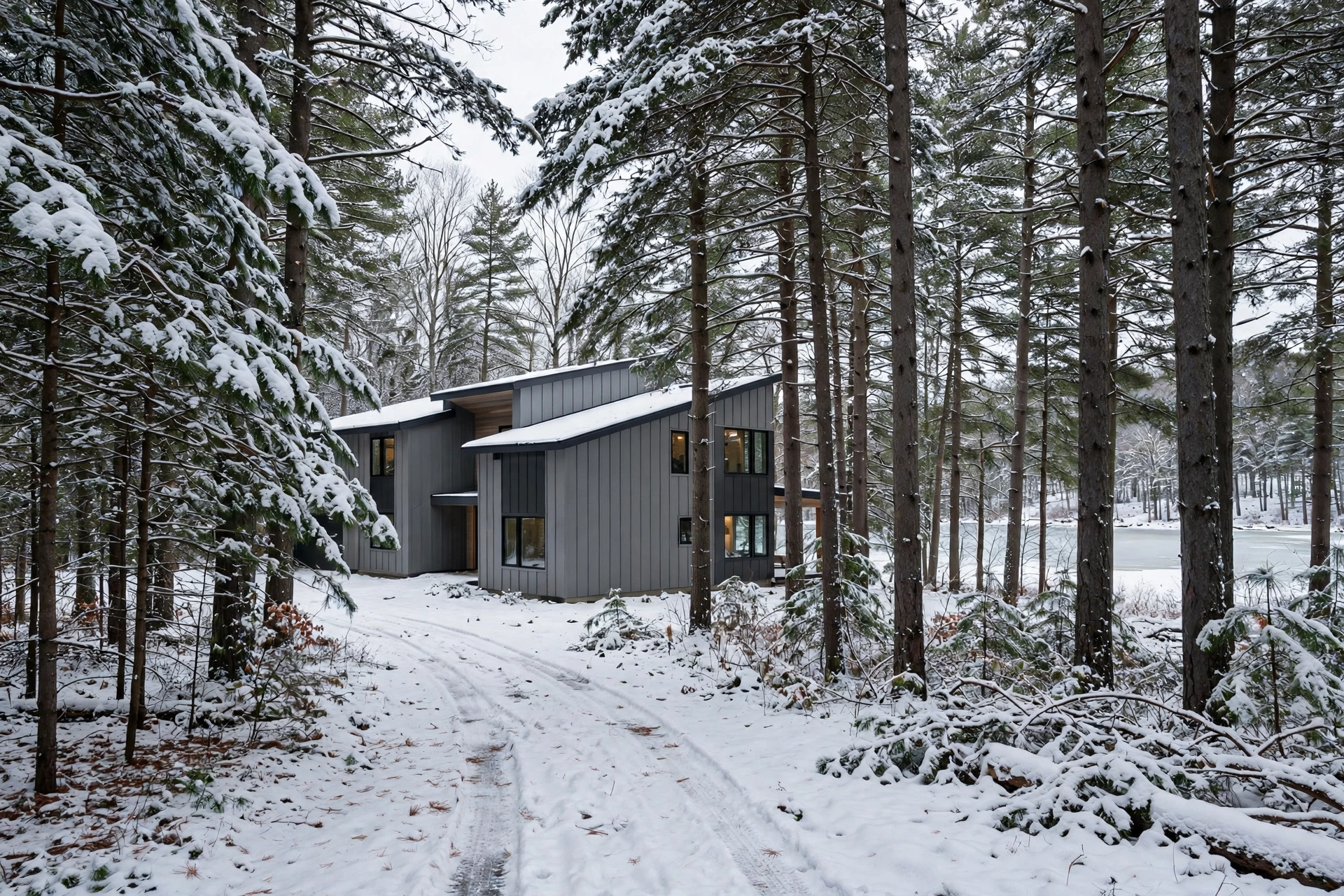
We repair furnaces throughout Harrison. A lakeshore home with wind exposure, a Darboy-area subdivision home with a modern condensing furnace, and a rural-edge property with propane heat can share a complaint and need different first checks. Tell us your setting and fuel type when you call and we will start from the right place.
Harrison's lakeshore homes sit along Lake Winnebago with wide wind exposure, where drafts and cold far rooms are the leading complaint. The Darboy area, at the town's southern edge near the highway corridor, holds subdivisions with newer homes and condensing furnaces. Inland town subdivisions mix mid-century and newer construction with standard ductwork.
That shoreline-to-inland spread means Harrison furnace work starts with setting. A lakeshore home usually needs draft sealing and duct balance before any equipment talk. A Darboy subdivision home with a lockout usually needs vent and drain checks first. A rural-edge propane home needs fuel supply confirmed before parts are tested.
Lakeshore homes with wide wind exposure and cold far rooms in winter.
Subdivisions near the southern highway corridor, many with newer condensing furnaces.
Mid-century and newer homes with standard ductwork, more sheltered from lake wind.
Harrison shares ZIP code 54952 with Menasha. Give the town name with the ZIP when you book, and the visit will route to Harrison's shoreline and subdivisions, not to Menasha.
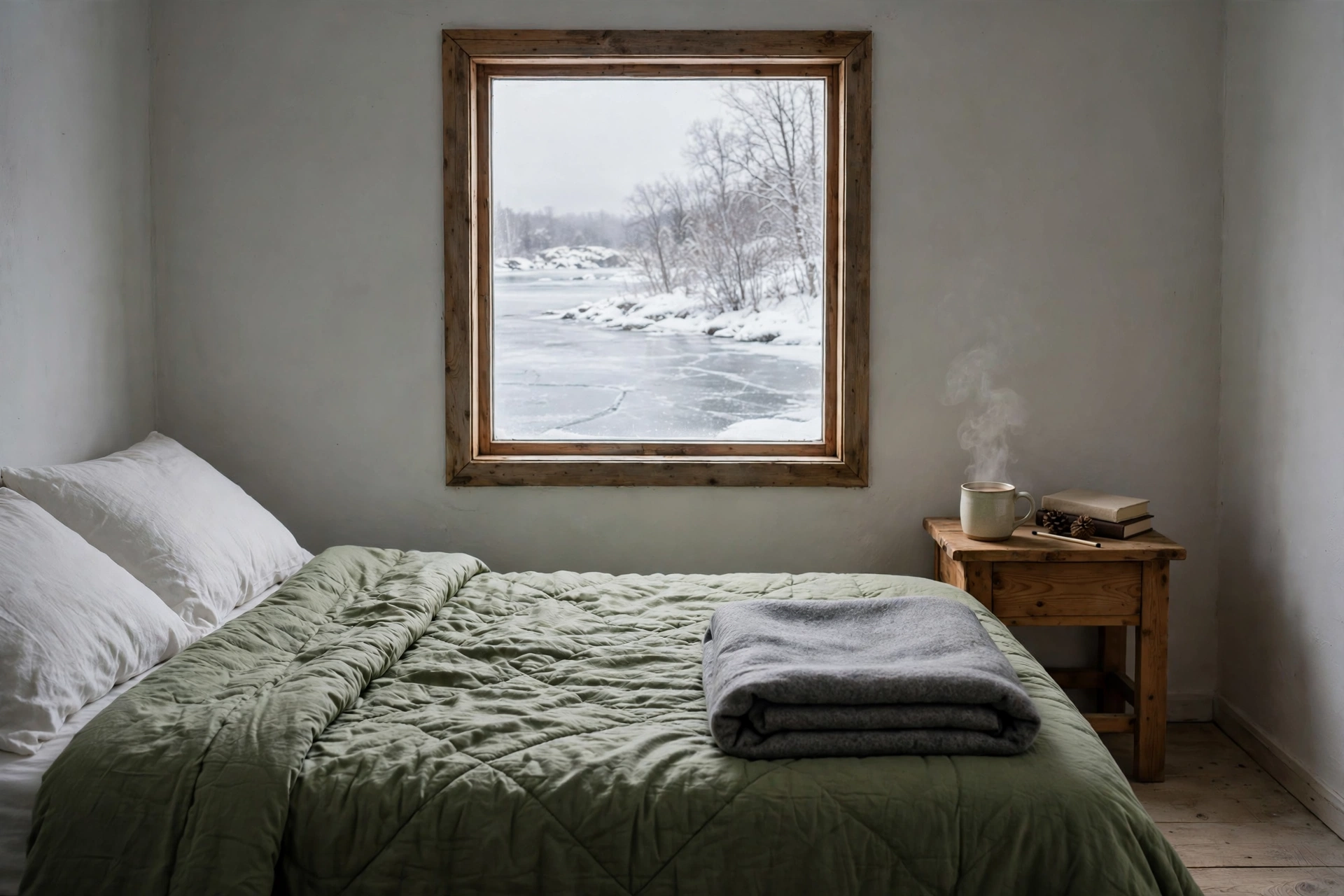
Lakeshore bedrooms run cold for a plain reason: one wall faces the lake wind all winter. A remote thermostat sensor in the cold room, rather than a bigger furnace, often closes the gap, and our thermostat and zone heating service sets that up room by room.
Harrison's landmarks are its shoreline itself: Lake Winnebago's edge, the Darboy corridor's shops and services, and High Cliff State Park just south in Sherwood, which Harrison residents use as their nearest park landmark. The town has no large downtown of its own, and residents orient by Sherwood to the south and Appleton to the west.
For hospital directions, ThedaCare facilities in Appleton and Neenah serve Harrison families, both a drive west or south along the lake corridor. Tell us your road or subdivision when you call, since Harrison addresses spread along the shoreline and inland roads.
The lake edge that defines Harrison recreation, wind, and winter heating.
Shops and services near the town's southern edge, a practical orientation point.
The state park just south in Sherwood, Harrison's nearest park landmark.
Harrison home cold or furnace locked out? Call Paper City Heating and name your setting.
Call (920) 523-4330Fall is the season for Harrison furnace care, before lake wind and January cold arrive. A tune-up in October checks the igniter, flame sensor, venting, and condensate drain, the parts winter exposes first. Winter itself is the season for clearing vents after snowstorms and watching for short cycling, which signals airflow or sensor trouble.
Spring in Harrison is quieter for furnace work, a good time to check filters and blower wheels after a winter of steady running, and to look at lake-facing drafts while the weather allows. That check means the next heating season starts with parts already inspected, not with a surprise.
| Season | Harrison check | What it catches |
|---|---|---|
| Fall | Tune-up: igniter, sensor, vents, drain | Weak parts January would expose |
| Winter | Clear vents, watch cycling | Vent frost, frozen drains, airflow faults |
| Spring | Filter, blower, draft check | Winter wear before next season |
Harrison is changing along its Darboy corridor, where new subdivisions and services keep arriving near the highway. Newer homes there bring modern furnaces and ductwork, while lakeshore homes keep their older character and wind exposure, so a single town route can include both a brand-new condensing unit and a decades-old furnace.
Growth also changes road patterns: new subdivision streets appear, and a service visit needs a current street name rather than a landmark that may have changed. Telling us your subdivision or road when you call helps us find a new Harrison address without delay.
Shoreline growth brings seasonal homes too, properties used heavily in summer and lightly in winter. A seasonal shoreline home needs a fall furnace check before the empty season, since a failure during an empty stretch can damage pipes and interiors before anyone notices.
New Harrison subdivisions also bring a practical note for service visits: street names may be new, and a home may sit on a road that older maps do not show yet. Giving the subdivision name with the street helps us find a new address without delay, especially on a cold night, when a delayed visit means a cold house for longer. A clear address, a subdivision name, and a phone number that reaches someone at home all help a winter visit go smoothly.
Frozen vents and frozen condensate drains travel together in shoreline cold. Our intake and exhaust freeze-up guide explains both, and Sherwood lakeshore homes face the same wind off the water. Every town we serve is listed on our locations page.
Harrison calls usually involve a lakeshore home that heats unevenly, a newer subdivision furnace with a venting lockout, or a propane home with fuel trouble. The pages below explain each kind of job.
Sensor and zone help for Harrison lake-facing bedrooms that stay colder than the hallway.
Ignition, flame sensing, venting, and drain checks for Harrison gas furnaces, from lakeshore homes to Darboy subdivisions.
Propane furnace care for rural-edge properties: fuel, regulator, and burner checks.
Shoreline homes combine PVC venting, copper gas lines, and galvanized steel ducts with fiberglass insulation that lake dampness can mat down over time. We test draft with a manometer, flame with a combustion analyzer, and controls with a multimeter, and all venting work follows the furnace manufacturer's instructions and local building code.
Lake Winnebago wind shapes Harrison winters more than any other single factor. When the lake freezes, wind moves across open ice into shoreline homes with little to stop it, driving drafts and making furnaces cycle more often. Inland subdivisions feel that wind less, but January cold snaps expose weak igniters and sensors across the whole town.
Snow and ice add a practical check for condensing furnaces: drifting snow can bury low vent pipes, and the furnace then locks out for safety. Clearing vents after a storm prevents a surprising share of winter calls in Darboy subdivisions and lakeshore homes alike.
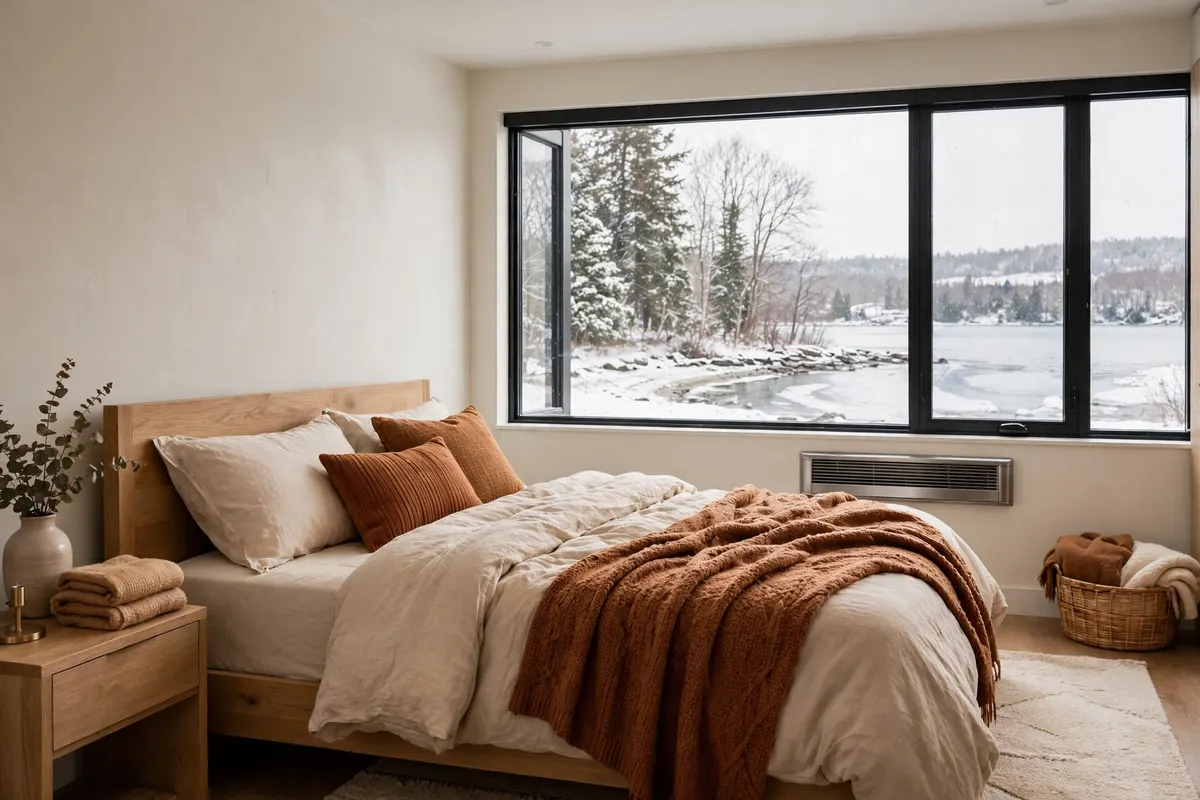
Bedroom comfort is the usual lakeshore complaint: a lake-facing bedroom runs colder than the hallway where the thermostat hangs. A remote sensor near that bedroom, or a zone control, often evens out the gap without replacing a working furnace.
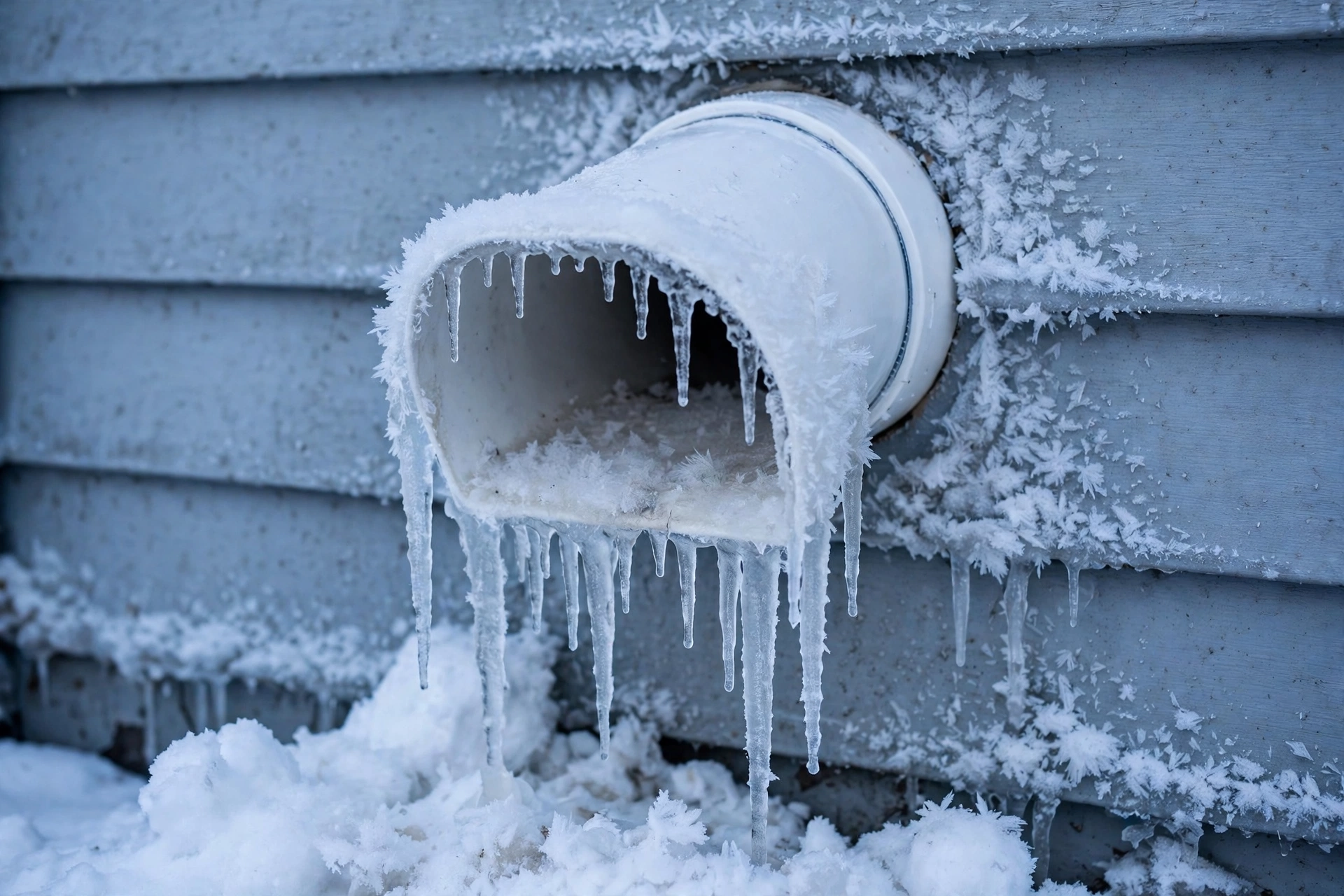
Lake-effect cold frosts a vent fast. When exhaust moisture freezes across the termination, the pressure switch trips and the furnace locks out, which is why our gas furnace service treats vent clearance as a safety check, not a cosmetic one.
Harrison sits in Calumet County southeast of Appleton near the east shore of Lake Winnebago, and the map below shows the village we serve.
Shoreline homes catch wind from the lake on more sides than inland homes, so a bedroom facing the water can run several degrees colder than the hallway thermostat. Sealing drafts, balancing ducts, and placing a remote sensor in that bedroom usually closes the gap without changing the furnace.
Darboy is the area at Harrison's southern edge near the highway corridor, with subdivisions, shops, and services. It is the orientation point most Harrison residents use for the town's southern side.
Yes. Some rural-edge Harrison properties heat with propane, and we check fuel supply, regulator condition, and burner adjustment alongside the usual ignition checks.
Yes, for condensing furnaces. Drifting snow, especially wind-driven snow near the lake, can bury low vent pipes. The furnace locks out for safety when it cannot breathe, and clearing the vents usually restores heat.
Only for routing. Harrison and Menasha share ZIP code 54952, so tell us Harrison by name when you call and we will send help to the right town.
Yes, we cover lakeshore homes, the Darboy area, and inland subdivisions across Harrison. Tell us your road or subdivision when you call so we plan the route.
Call us, name your setting, and describe the symptom. We will start from there.
Call (920) 523-4330From the lakeshore to Darboy to the inland subdivisions, Harrison furnaces face lake wind and long winters. Call Paper City Heating for help matched to your home.
Call (920) 523-4330 Contact usLast updated: October 31, 2026