How the Fox Cities differ, town by town
The Fox River ties these towns together, but it does not make them the same. Appleton sits at the center, a city of about 75,000 and the Outagamie county seat, with paper mill history in its neighborhoods and a mix of old and new housing. Neenah and Menasha sit on the water to the south, where older homes near downtown and on Doty Island face lake wind and damp winters. Kaukauna follows the river with its locks, and Combined Locks takes its name from them. Those river towns share one pattern: older construction, smaller duct runs, and furnaces that have been replaced piecemeal over the decades.
Head west and north and the pattern changes. Greenville, Freedom, and Buchanan run rural, with propane tanks, longer driveways, and homes set back from the road. A winter storm matters more there, because a delivery truck and a service visit both depend on a plowed drive. Hortonville and Sherwood sit on the edges, one a village with a rural fringe, the other on the Lake Winnebago shore where wind off the water sharpens the cold. Harrison grows fast, with new subdivisions beside older farm homes, so a single town can hold two very different heating setups on the same road.
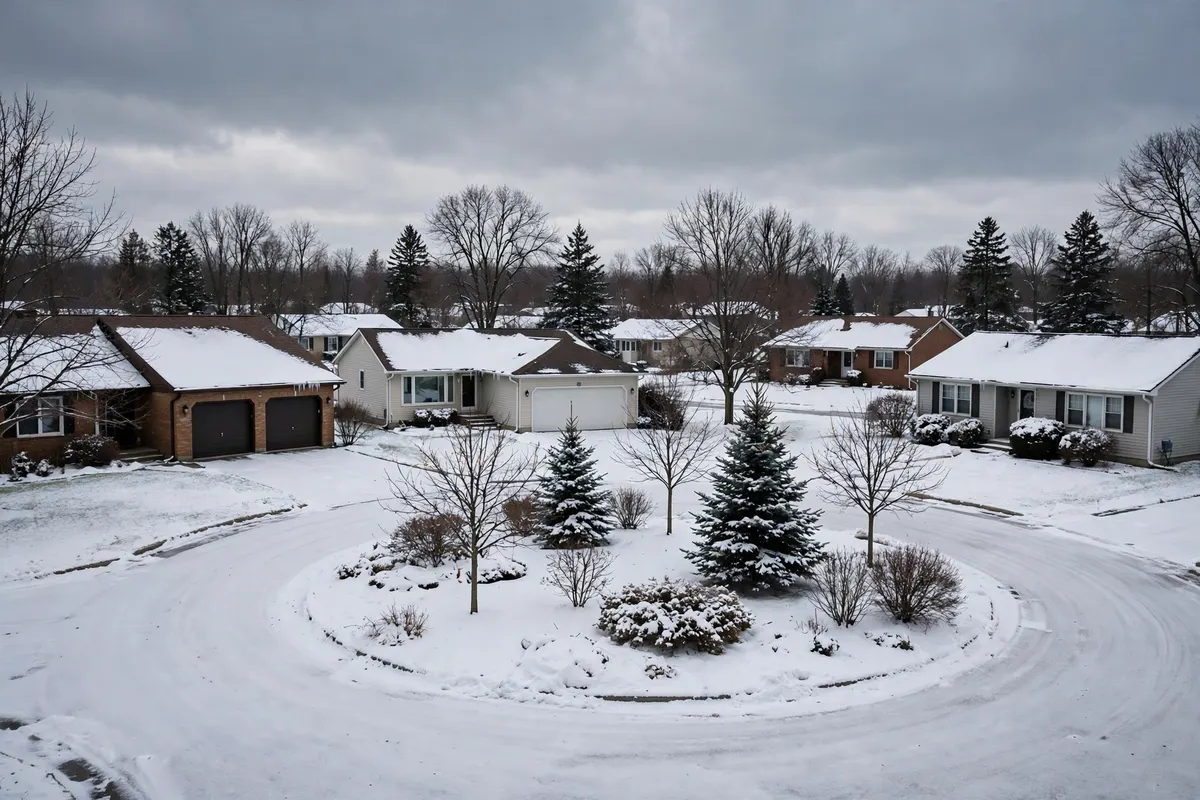
Oshkosh anchors the south end of our patch, a larger city with its own downtown, a university area, and Menominee Park on the water. Grand Chute wraps Appleton's west side, home to the Fox River Mall area and the College Avenue corridor, where commercial buildings and newer homes sit side by side. Fox Crossing, formed from town land, mixes suburban streets with rural edges. The town pages below describe each place on its own terms, and the National Weather Service Green Bay office posts the winter forecasts that shape heating demand across all of them.
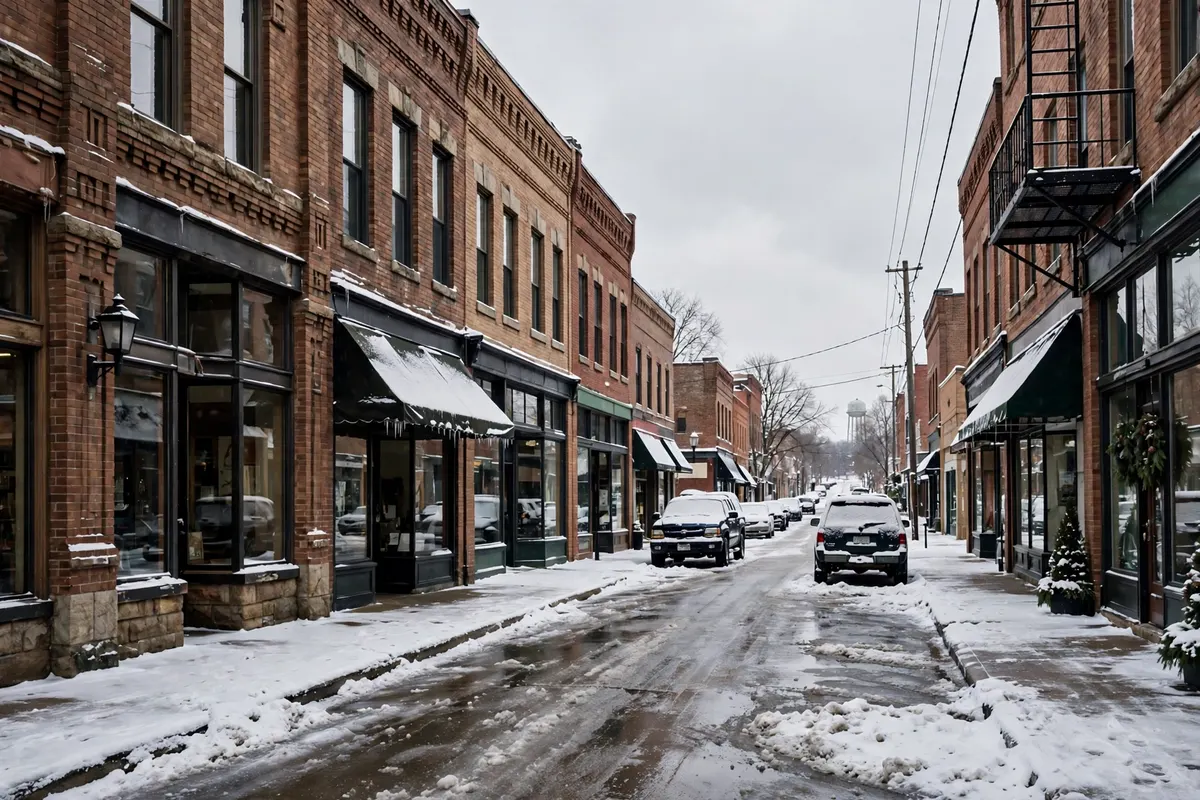
Grand Chute
The Fox River Mall area and the College Avenue corridor, with a mix of commercial buildings and newer homes.
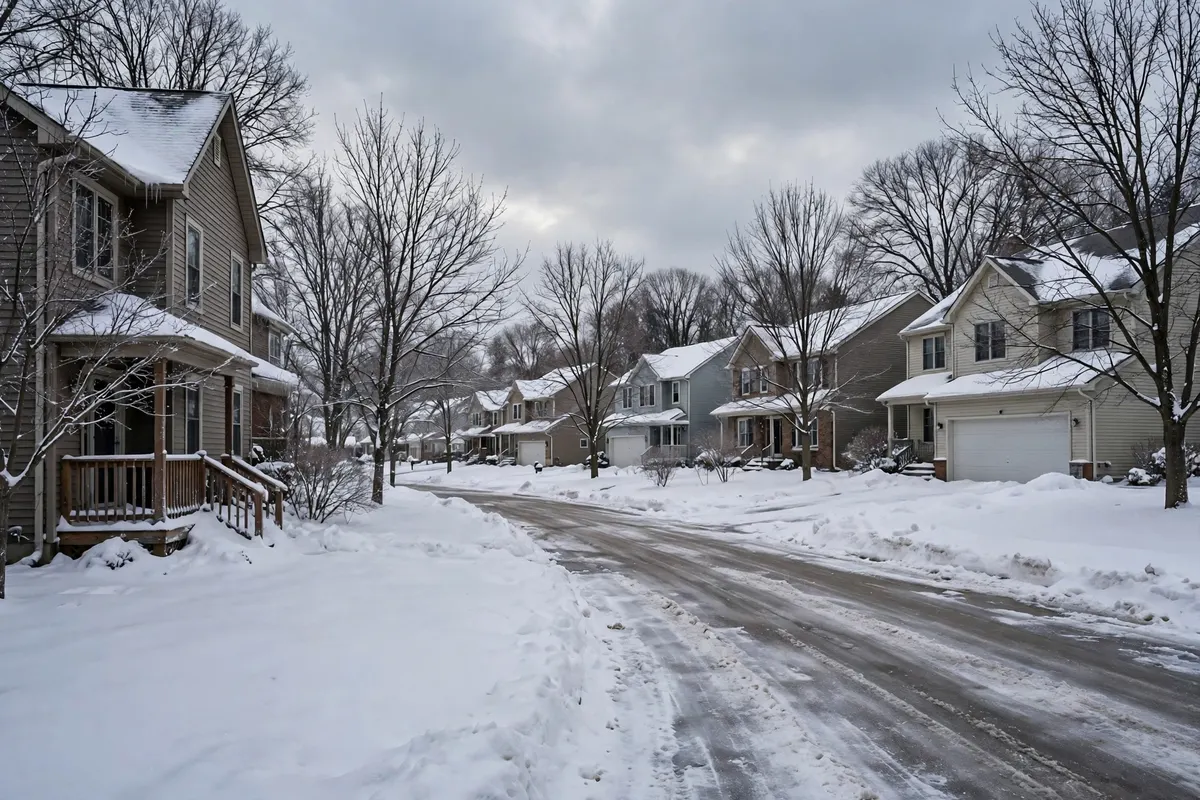
Neenah
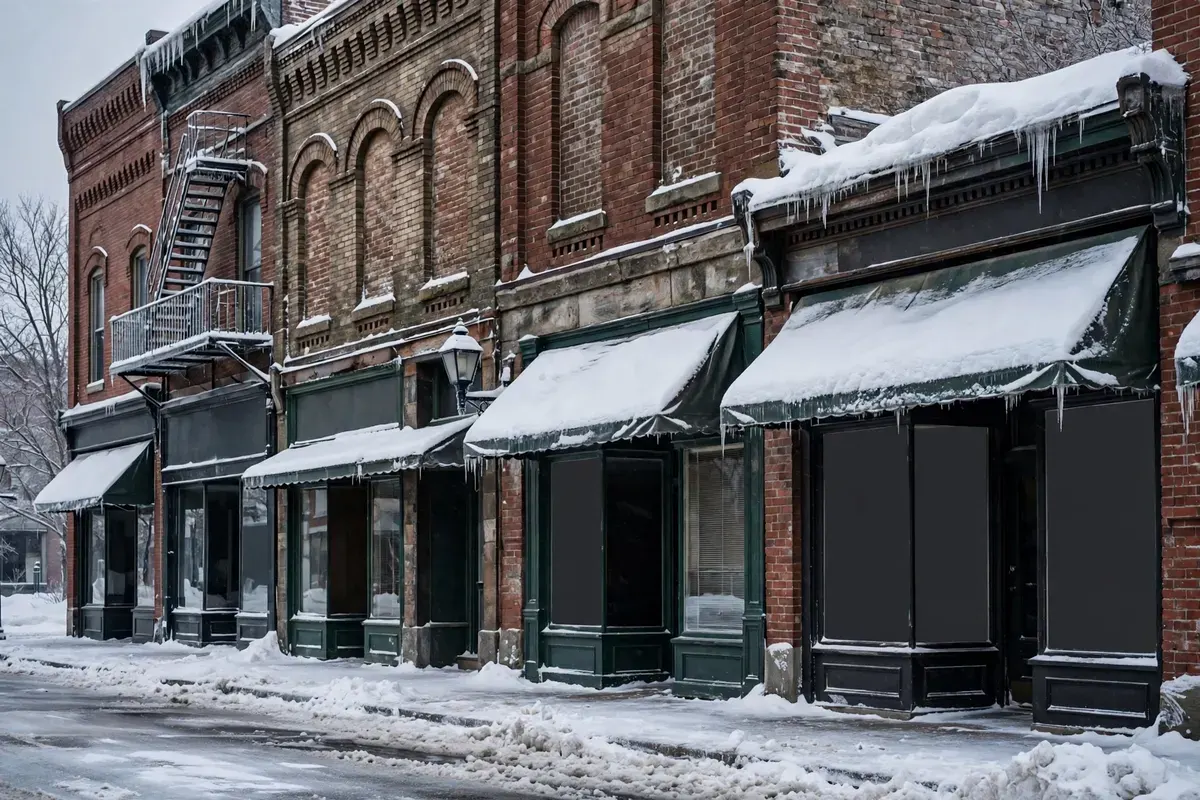
Downtown and Main Street, plus Doty Island, where older homes near the water meet newer streets.
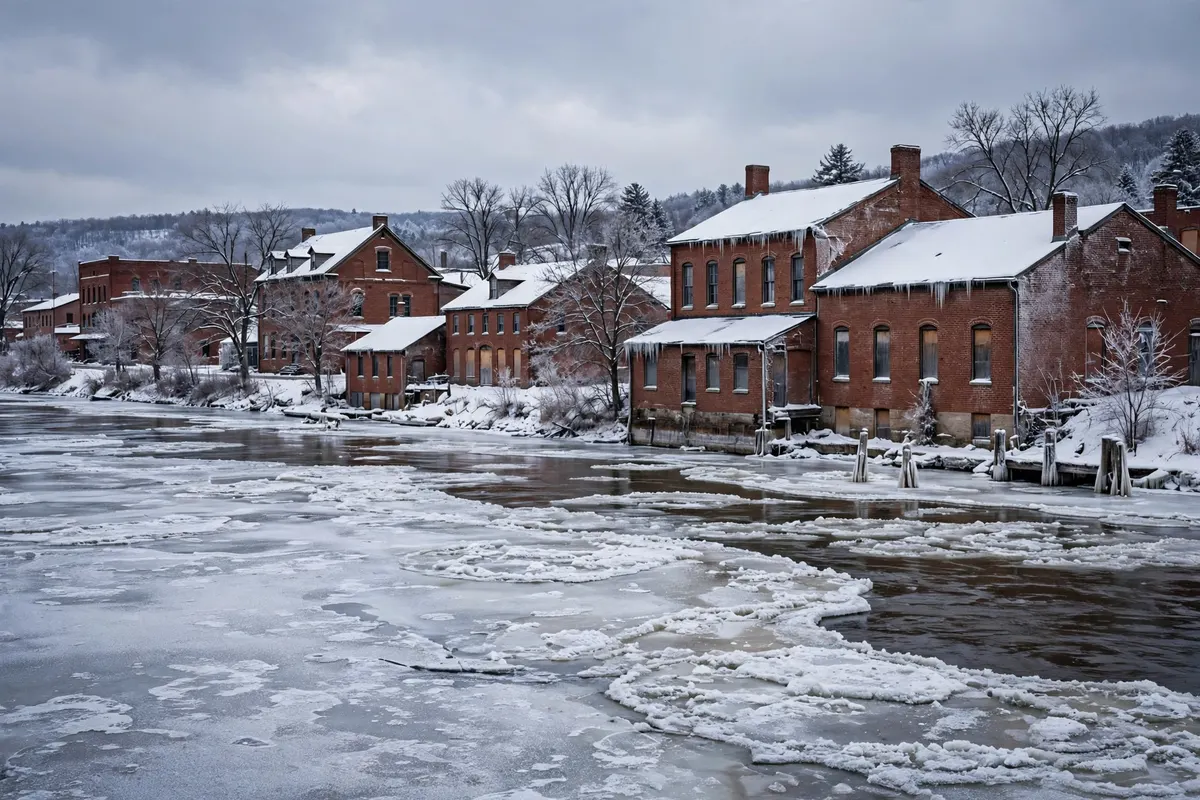
Menasha
Downtown, Doty Island, and Jefferson Park, on the water between the Fox River and Lake Winnebago.
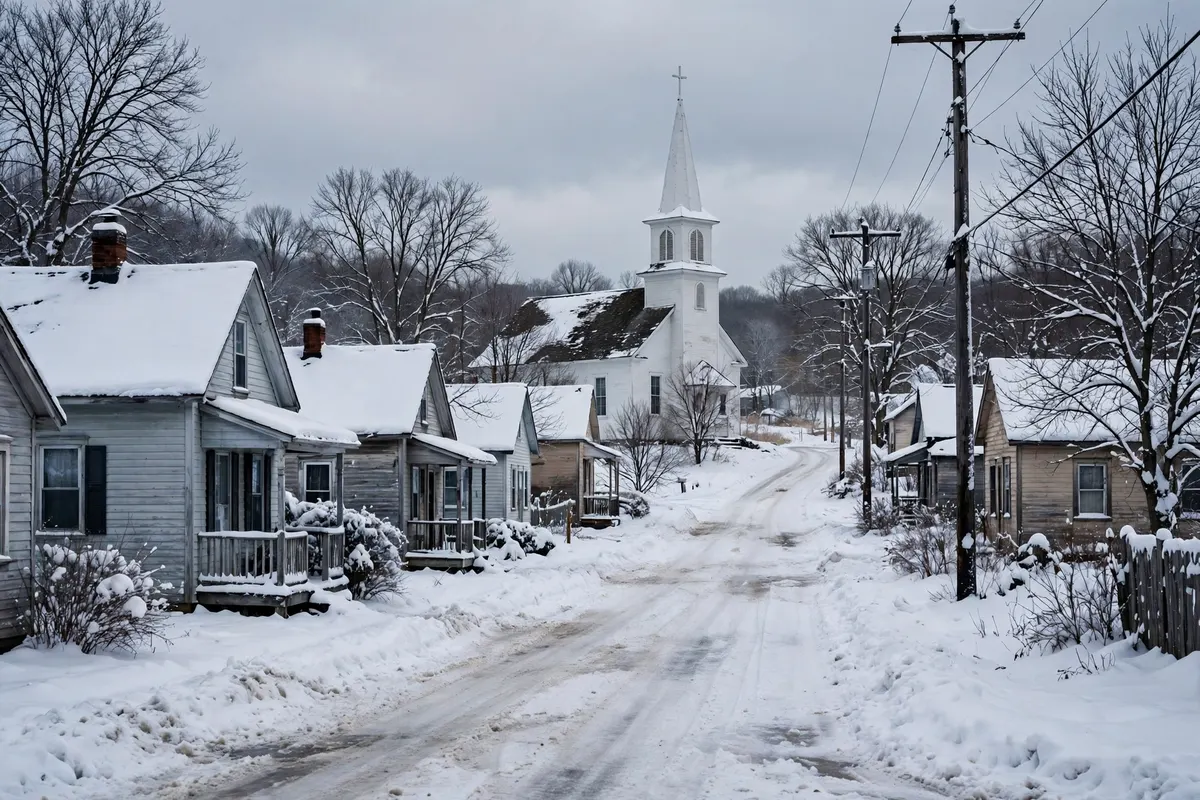
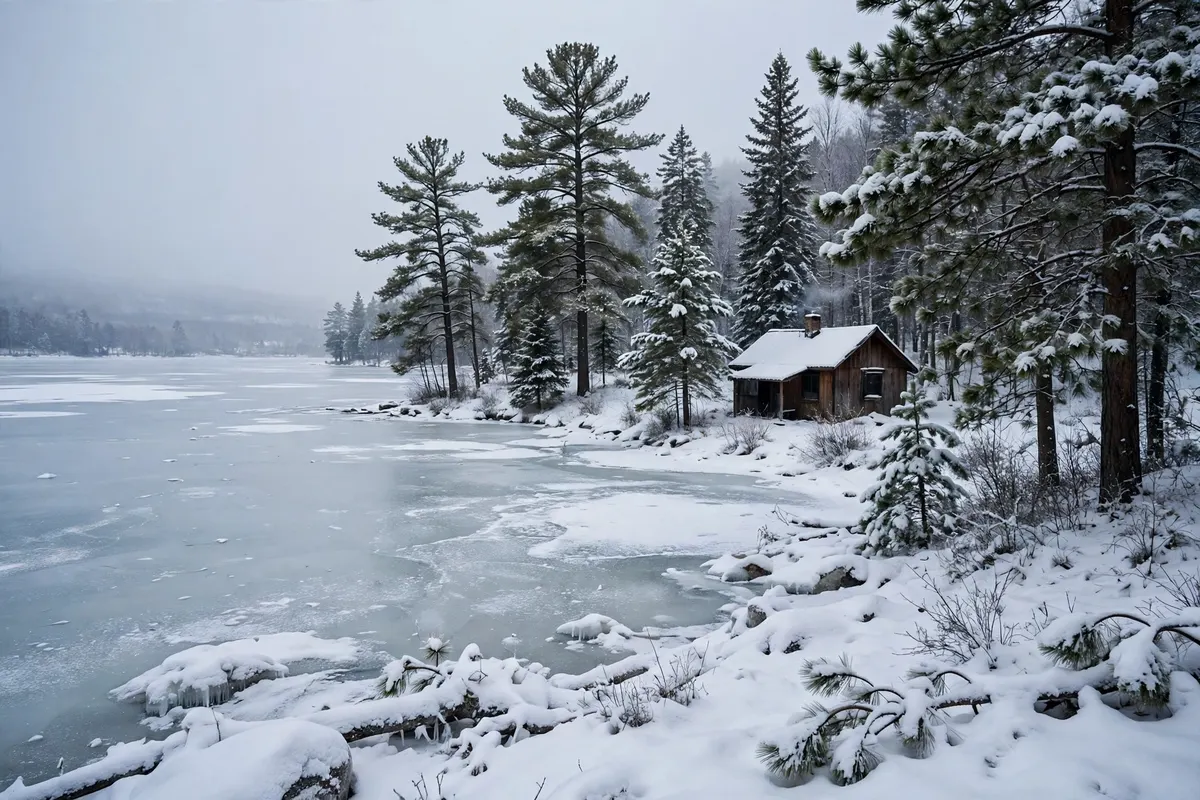
Hortonville
A village west of Appleton, where rural homes and small-town streets share the same cold snaps.
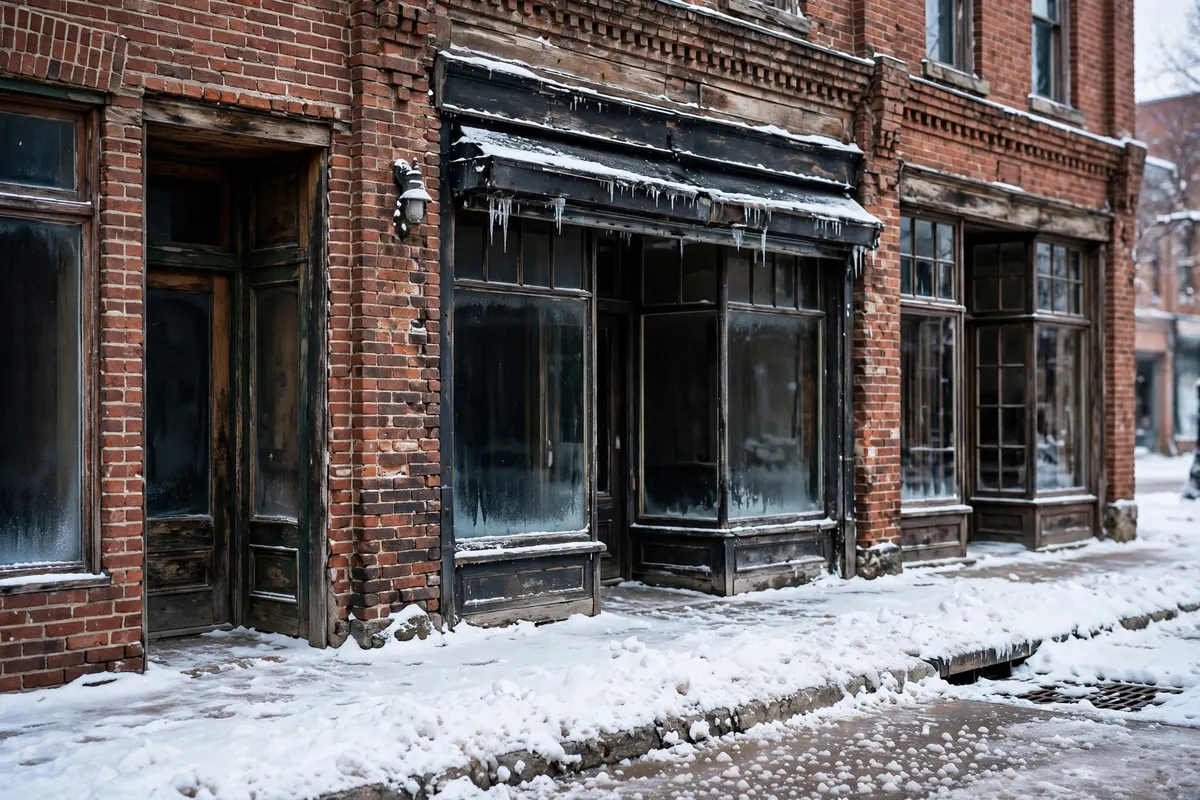
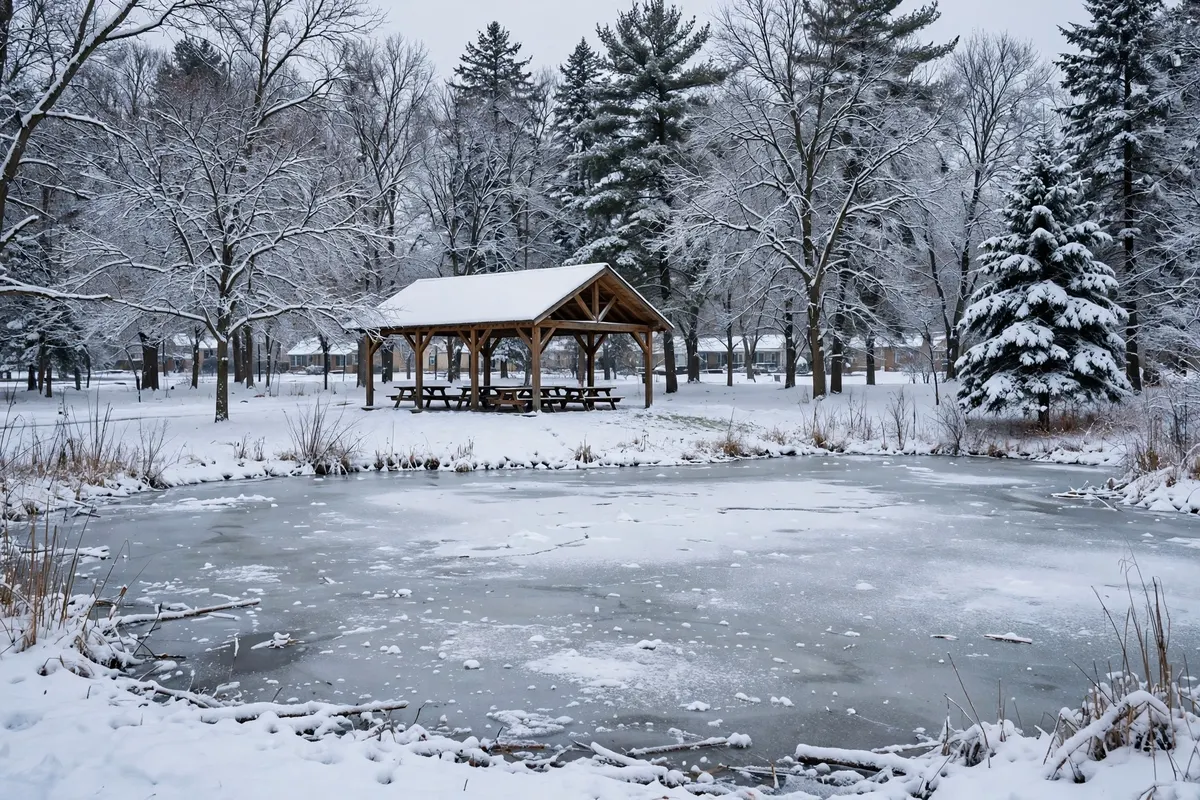
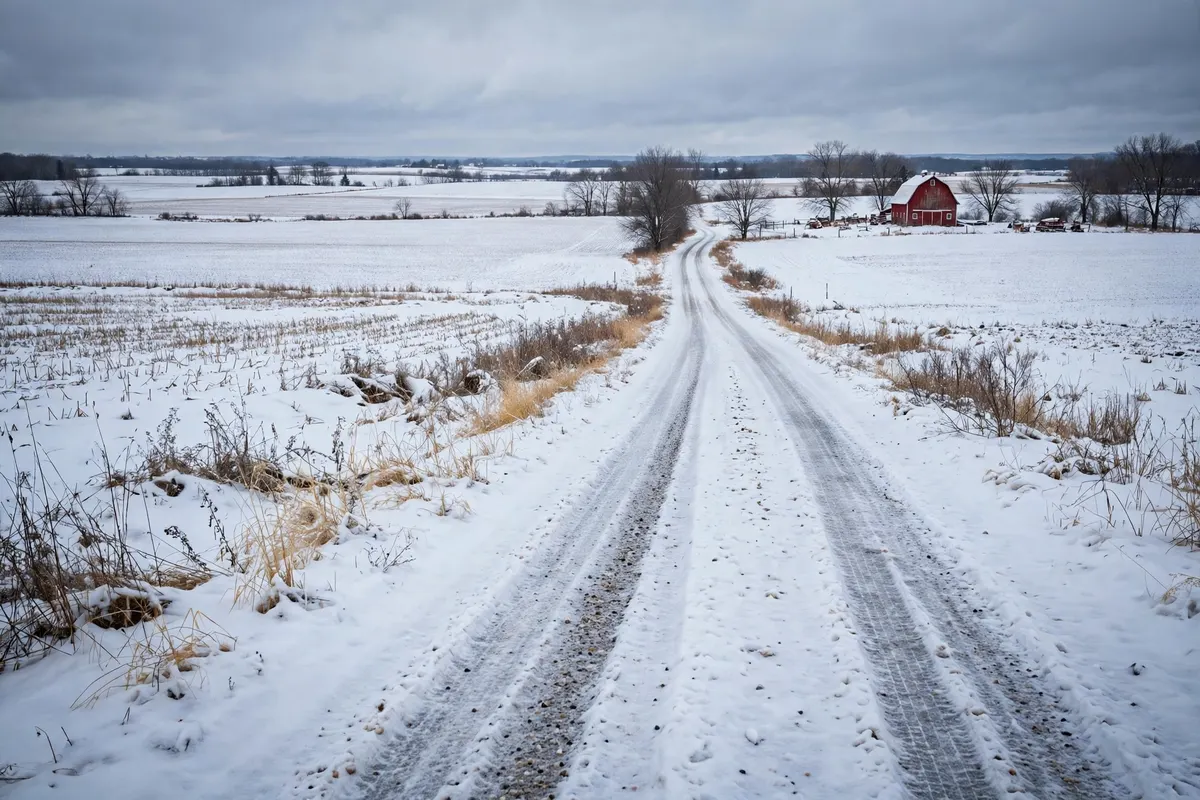
Freedom
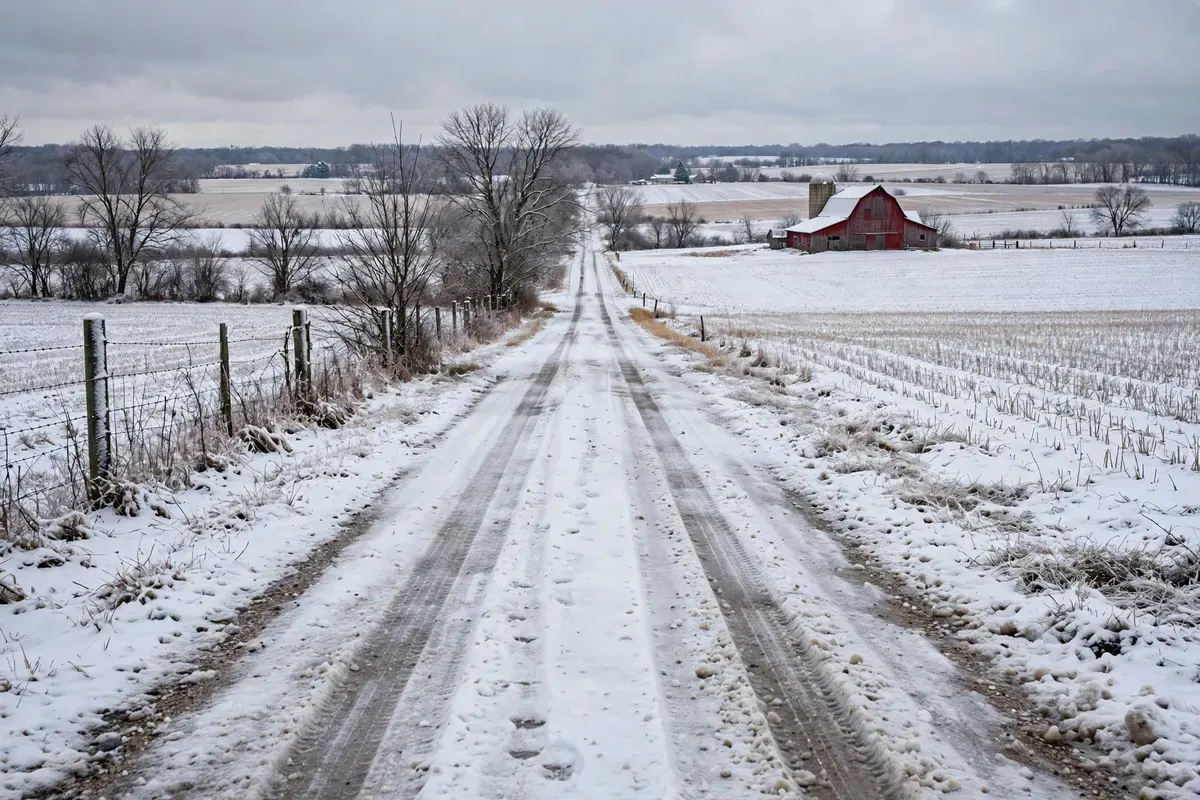
Rural homes and farm country east of Appleton, where propane tanks and long driveways are normal.
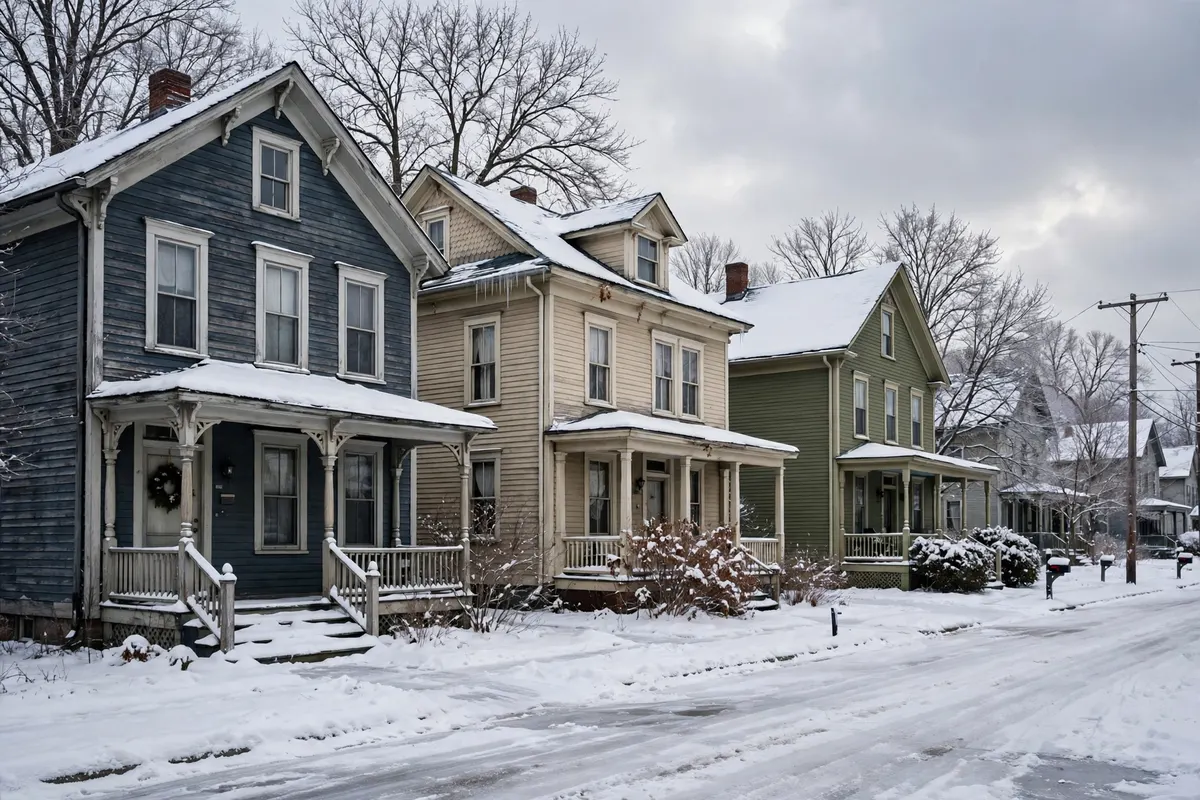
Buchanan
A town of rural homes and open land, where heating systems work hard through long cold stretches.
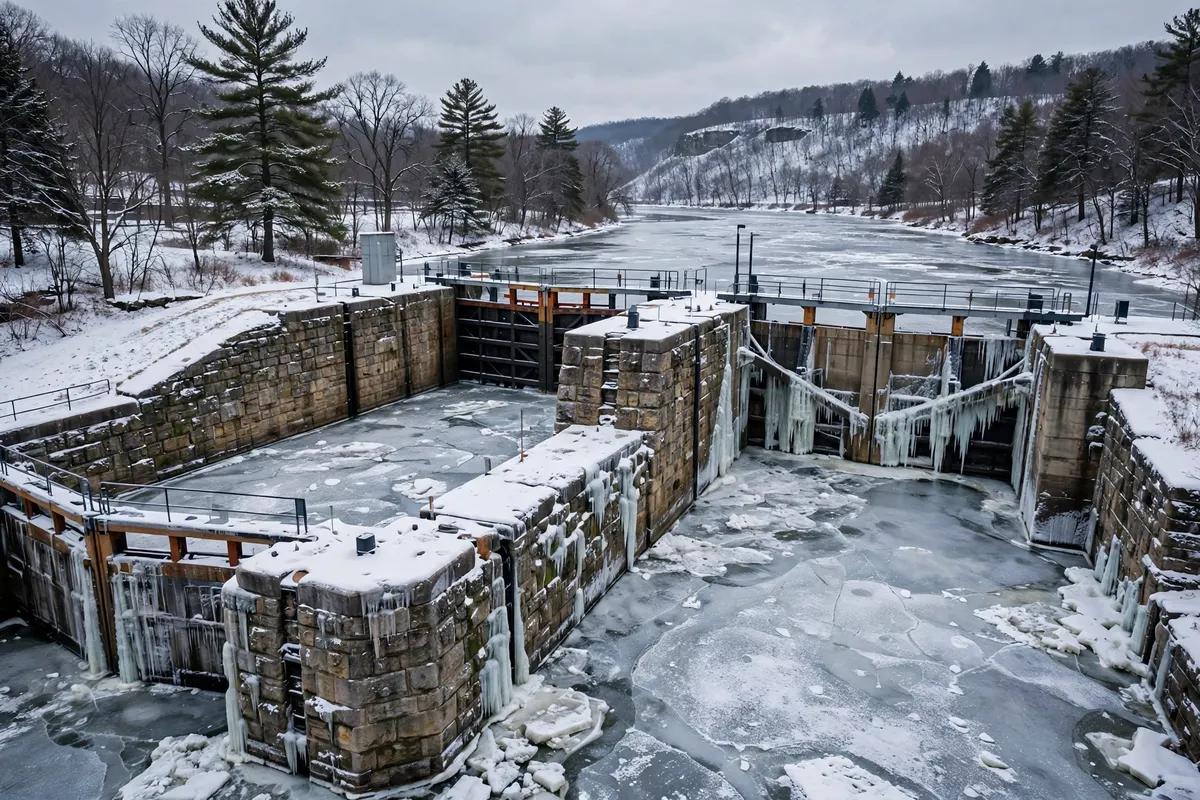
Oshkosh
A larger city south on Lake Winnebago, with downtown, the university area, and Menominee Park.
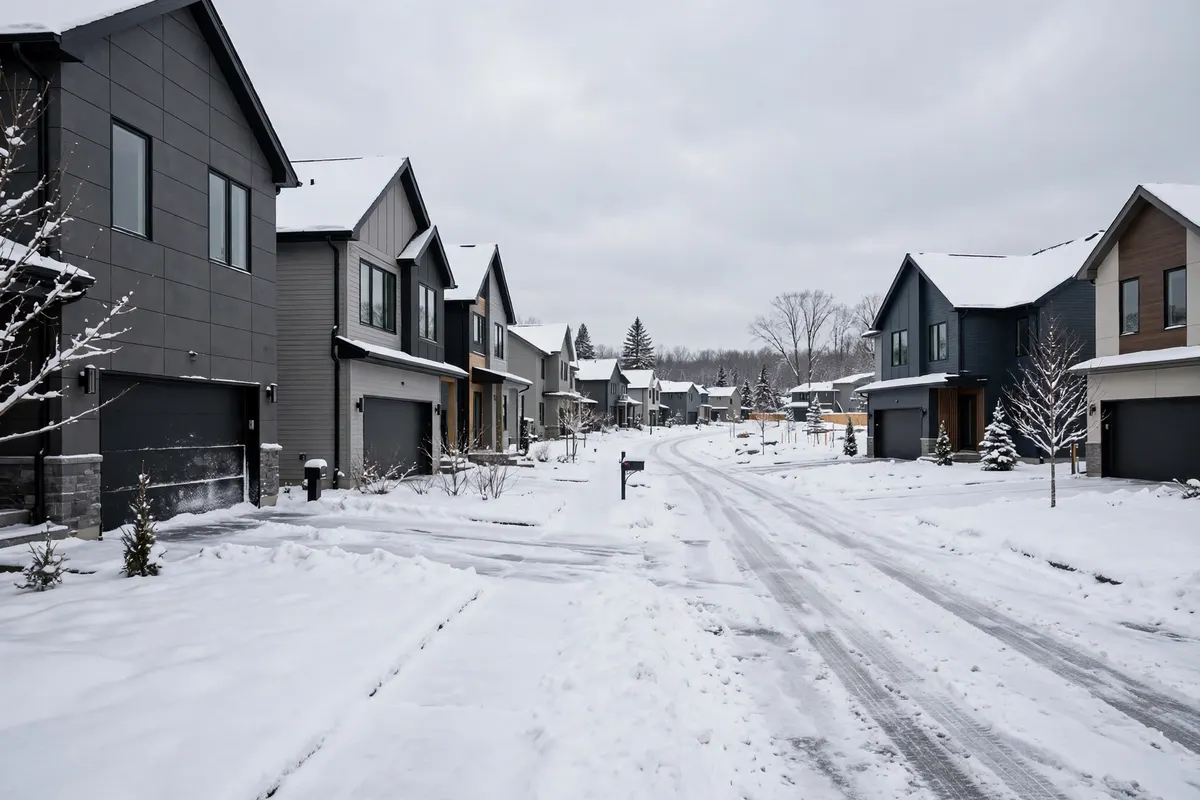
Harrison
A growing town between Appleton and the lake, with newer subdivisions beside older rural homes.
Appleton first, then the Fox Cities towns
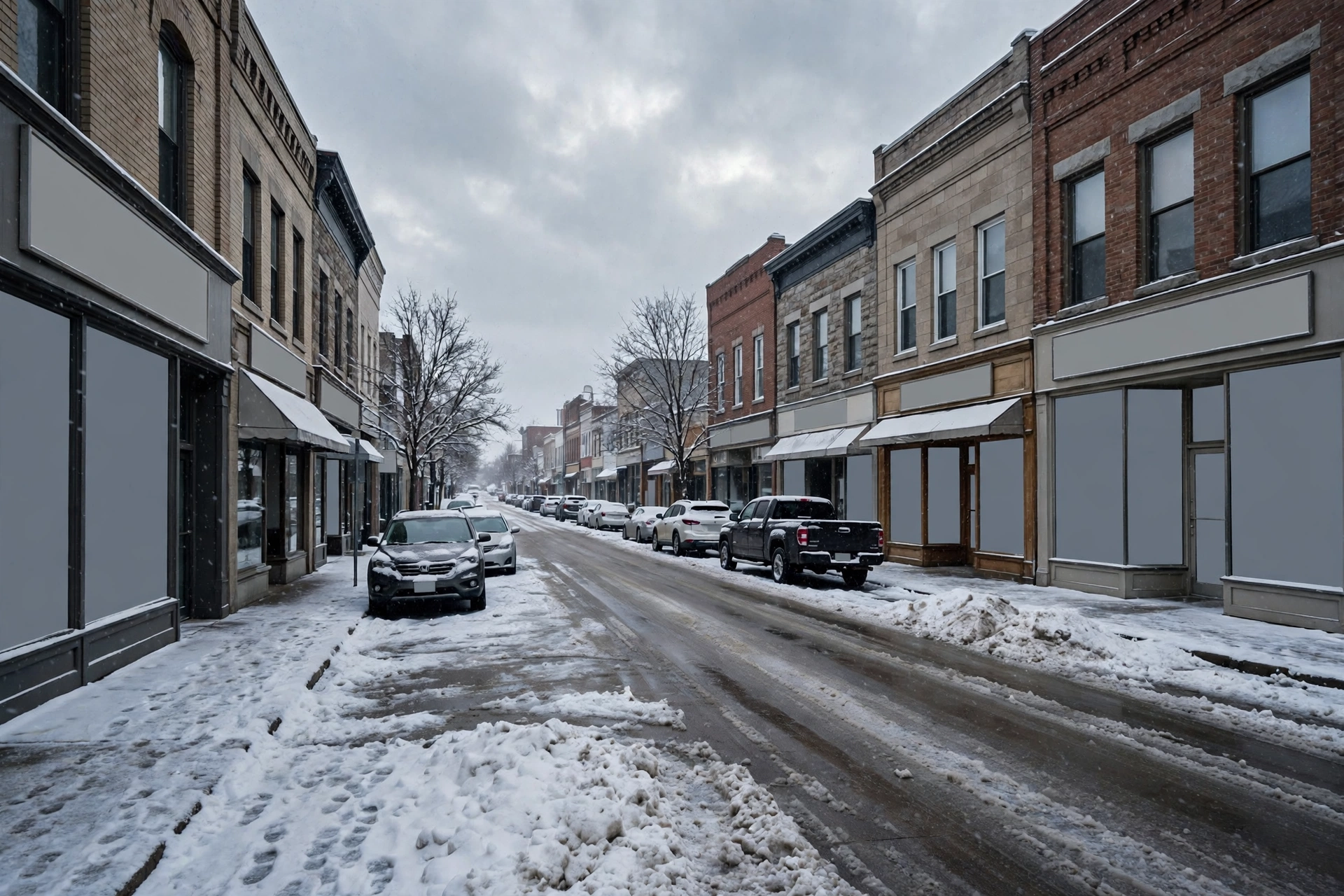
Paper City Heating is based on College Avenue in Appleton, and the towns around it each get their own page because each town heats a little differently. Grand Chute's newer subdivisions, Neenah's riverfront blocks, Menasha's island streets, and Kaukauna's homes near the locks do not share ductwork, fuel, or housing age, so a single town page cannot speak for all of them. The town pages carry that local detail: housing types, common fuels, and the furnace problems that show up most in that town. Start with Grand Chute or Neenah if you want the pattern, then find your own town in the list below.
Appleton itself stays on the homepage, with its neighbourhoods and ZIP code, and this page groups the towns around it. That split keeps each page honest: the homepage speaks for Appleton, and each town page speaks for its own streets. If your town is not listed, the contact page is the fastest way to ask, since coverage follows the Fox Cities roads, not a circle on a map.
What changes from town to town: housing, fuel, and ducts
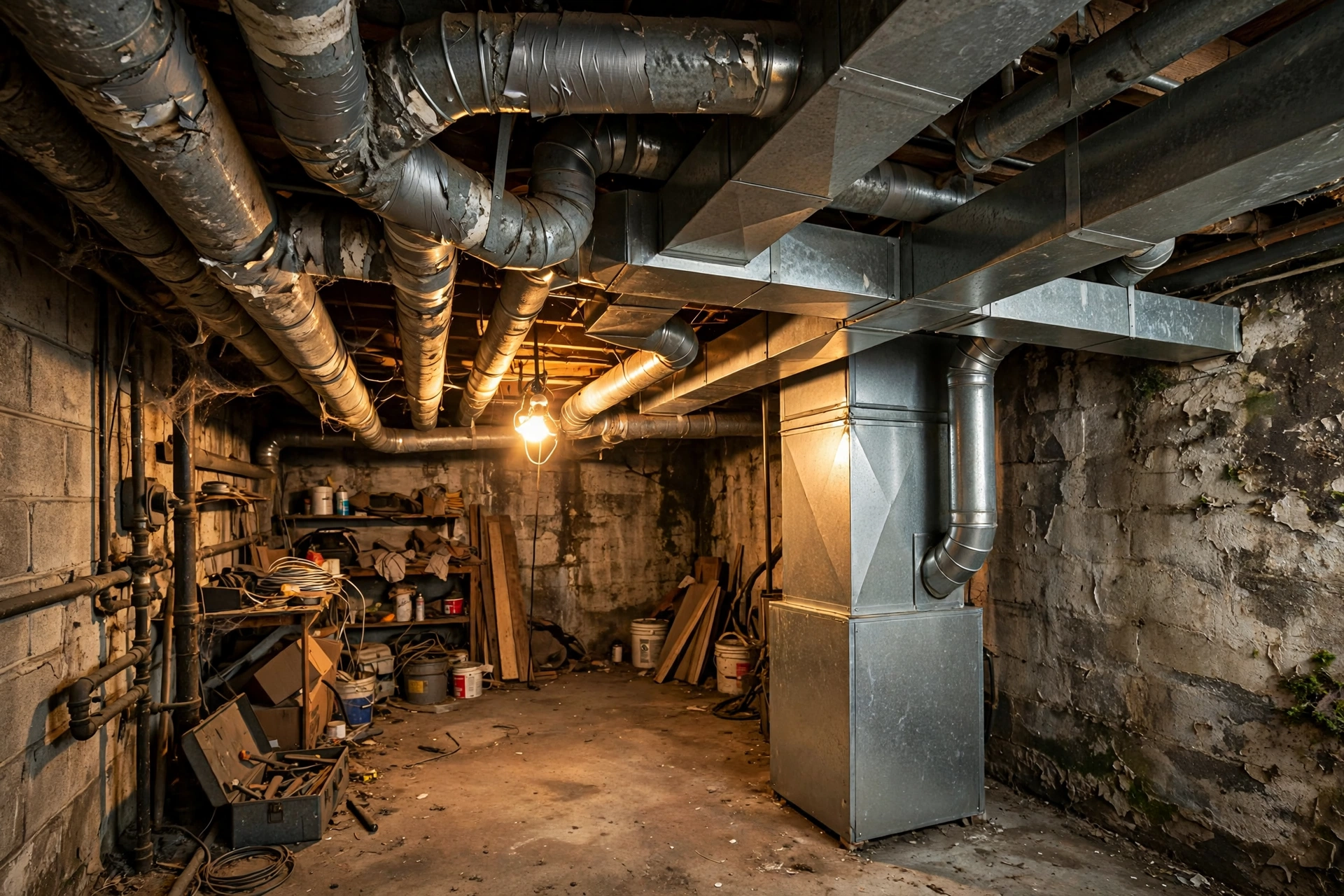
Three things change across the Fox Cities, and they change what a visit looks like. Housing age changes ductwork: older towns carry galvanised steel ducts added room by room, while newer subdivisions carry shorter, tighter runs. Fuel changes the checklist: towns on the gas mains get flame and venting checks, while homes past the mains on propane add a tank gauge, a regulator, and storm access. Lot size changes access too, since a rural tank approach and a tight city basement are different working conditions for the same furnace.
The tools stay the same across towns: a multimeter for ignitors and sensors, a manometer for gas and duct pressure, and an infrared thermometer for cold rooms. The materials stay the same too: pleated filters, PVC vent pipe, copper gas line, and steel heat exchanger surfaces. What changes is which of them wears first, and the town pages name that order town by town. A maintenance and safety visit is the visit that reads those local signs before January does.
How a town visit runs, whatever the town
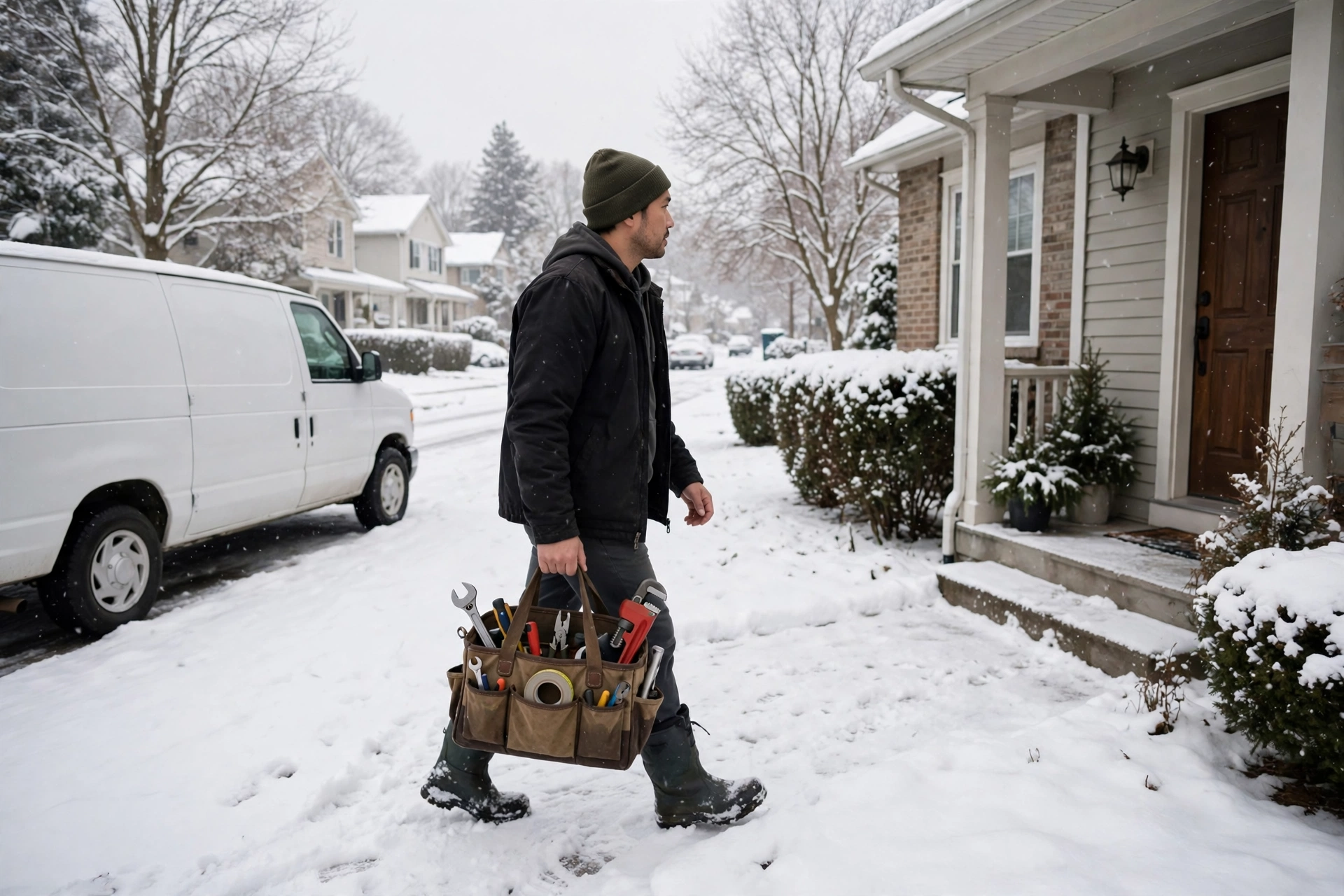
A town visit runs the same way in every town, because a furnace does not care about a ZIP code. It starts at the thermostat, watches the start sequence, checks airflow through filter, blower, and ducts, inspects flame and the heat exchanger on gas units, checks venting and condensate, and ends in the rooms, where cold spots tell the truth about ducts. The maker's instructions set the order, local code sets venting and clearance rules, and the written record at the end lists what was checked, what was found, and what to watch.
If the visit finds a part problem, the service pages explain the repair: blower motor repair for a dragging motor, heat exchanger service for a cracked or rusted exchanger, and gas furnace service for ignition and venting faults. If it finds a house problem, ductwork and airflow work is usually the answer. Either way, the town page is the starting point, and the visit is the same careful sequence in every town.
Your town not jumping out?
Call and tell us where the house sits. If we serve it, we will say so, and if we do not, we will say that too.
Call (920) 523-4330 Contact usCity gas, propane, and the homes between
The fifteen towns on this list do not all heat the same way. Appleton, Neenah, Menasha, and Kaukauna sit largely on city gas lines, while the smaller villages and the rural edges of Greenville, Freedom, and Buchanan lean much harder on propane tanks. That split changes a visit: a gas call starts at the meter and the venting, while a propane call starts at the tank gauge, the regulator, and the delivery schedule.
The homes between the two fuels are the interesting ones. A house on the edge of town may have gas on the street but propane in the basement from an older install, or a new subdivision may have gas while the farmhouse across the road still runs a tank. Knowing which fuel a home actually burns, before the truck rolls, saves the most common wasted trip in the valley.
What a first visit in a new town starts with
A first visit in a town we have not worked in before starts with the house, not the furnace. The age of the home, the fuel, the last time the system was serviced, and whether the ductwork is original all shape what the technician expects to find. A 1920s Appleton bungalow and a new Grand Chute build can share a brand of furnace and still need completely different visits.
That is also why each town page on this site carries its own detail: the housing stock, the neighborhoods, and the winter quirks differ enough that a generic Fox Cities page would miss them. The town pages are where that local detail lives, and the visit draws on it.
Winter routes and storm weeks
Storm weeks reorder everything. When snow and wind hit the valley together, vent pipes frost, propane deliveries slip, and calls cluster on the coldest mornings. Planning a visit in those weeks means allowing for roads, for tanks that need a cleared path, and for furnaces that fail twice: once from the fault, and once from the storm that froze the vent while the fault was being found.
None of that changes the work itself, but it changes the order. A home with no heat and a clear vent gets a different first hour than a home with heat that keeps tripping, and both get a different first hour than a home that only needs its annual visit moved by a day. Storm weeks are when that triage matters most.
Newer subdivisions and older streets need different visits
The valley's newer subdivisions, around Grand Chute, Greenville, and the edges of Appleton, tend to have furnaces that are still within their early years, with sealed ductwork and modern controls. Visits there are more often about a single failed part, a thermostat that was never set up well, or a filter that has been ignored since move-in day. The furnaces themselves are usually sound, and the visit stays short.
The older streets, in Neenah, Menasha, Kaukauna, and the mill-era parts of Combined Locks and Little Chute, tell a different story. Furnaces there are older, ductwork may predate the furnace by decades, and basements can be damp enough to corrode parts over time. Visits in those homes spend more time on venting, on the condition of the exchanger, and on whether the duct system still suits the house it serves.
Frequently asked questions
Appleton is home base, and we serve Grand Chute, Neenah, Menasha, Kaukauna, Kimberly, Little Chute, Greenville, Fox Crossing, Combined Locks, Hortonville, Sherwood, Freedom, Buchanan, Oshkosh, and Harrison. Each town has its own page with its local detail.
Homes differ town by town. Neenah and Menasha sit on the water with older housing near downtown, Greenville and Freedom run more rural with propane heat, and Oshkosh brings a larger city mix. A page per town lets us describe the housing and heating patterns that actually show up there.
No town-based pricing appears on this site, and we do not publish rates. The visit covers the same furnace work in every town, and the conversation on the call covers what the job involves for your unit.
Call and ask. The list covers the Fox Cities towns we visit most, and a home just outside one of them is often still within reach. We will say plainly whether we can take the visit.
No. Appleton is our home city, so the homepage carries Appleton in full: its neighborhoods, its ZIP code, and its housing types. The town pages cover the other fifteen towns around it.
Pick your town from the cards below. Each card links to a page with that town's neighborhoods, ZIP codes, landmarks, and the furnace patterns common there, plus links back to the services.
Find your town, then call
Each town page links back to the services, so you can move from place to problem in one step.
Call (920) 523-4330 Send an emailLast updated: October 31, 2026