Propane Furnace Services
Propane furnace care for rural-edge homes: fuel supply, regulator, and burner checks.
Furnace Repair · Appleton, Wisconsin
Call (920) 523-4330Hortonville sits northwest of Appleton where the Wolf River meets Black Otter Lake, and that setting gives the village a character all its own: a compact downtown, lake homes, and rural-edge properties on the roads out of town. Furnace work here spans village homes with basement furnaces, lake homes with wind exposure, and rural properties that may heat with propane.
Call (920) 523-4330 See our services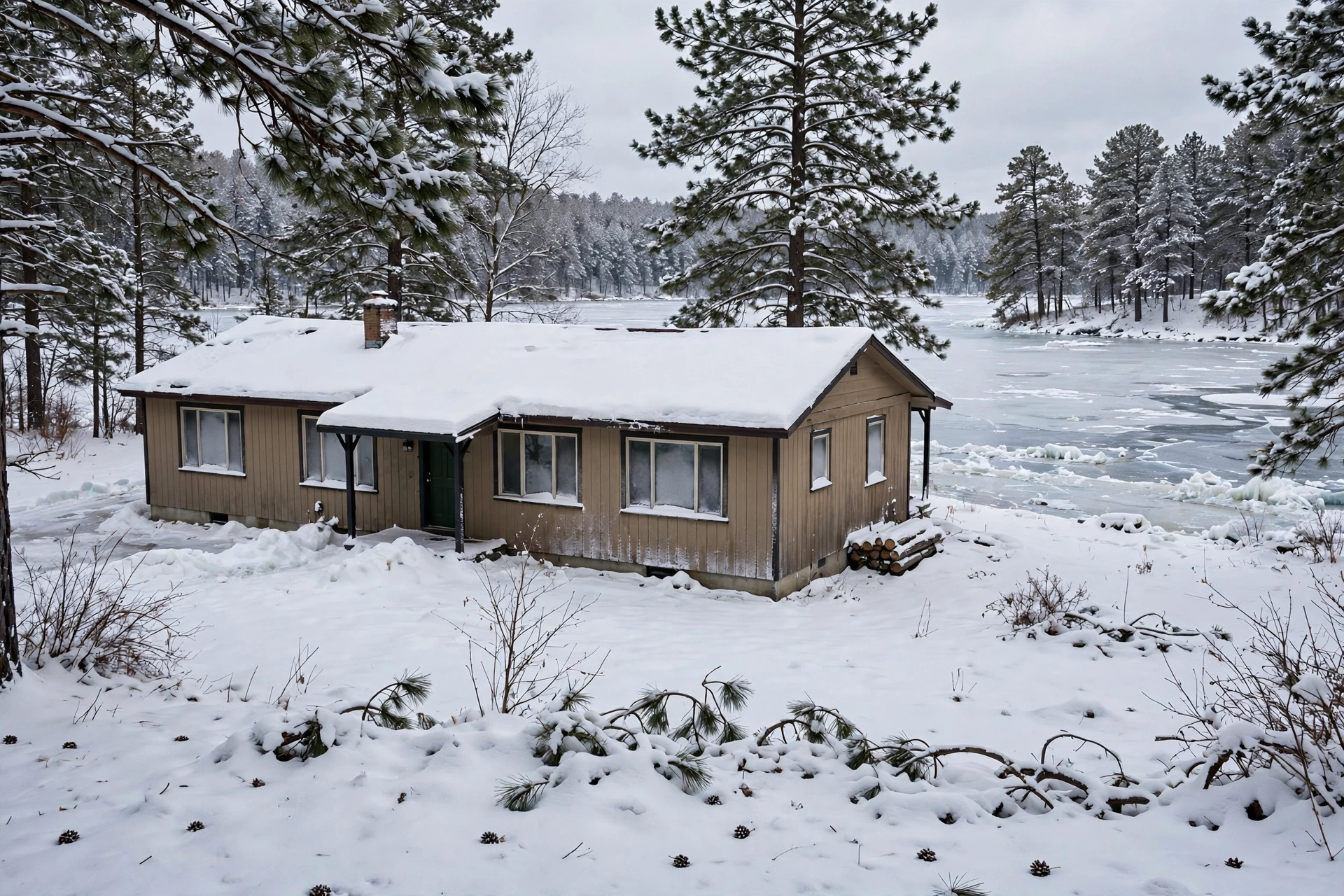
We repair furnaces throughout Hortonville. A lake home with wind off the water, a downtown home with an older furnace, and a rural-edge home with a propane unit can share a no-heat complaint and need three different first checks. Tell us your setting and your fuel type when you call and we will start from the right place.
Black Otter Lake and the Wolf River shape Hortonville winters. Wind off the lake pushes into lake homes through gaps around doors and windows, making the furnace cycle more often. River dampness makes cold rooms feel clammy, and a furnace that short cycles never circulates air long enough to even out temperature or humidity.
January cold snaps expose weak parts across all three settings. Igniters quit on the coldest mornings, condensate drains freeze where they run through cold spaces, and blower motors that grew noisy in fall fail in January. A fall tune-up catches those weak parts before the cold snap does.
| Hortonville setting | Winter trouble | First check |
|---|---|---|
| Downtown village home | Weak igniter, aging blower | Ignition, blower motor, capacitor |
| Lake home | Drafts, cold far rooms | Draft sealing, duct balance, sensor placement |
| Rural propane home | Fuel delivery, regulator trouble | Tank level, regulator, burner adjustment |
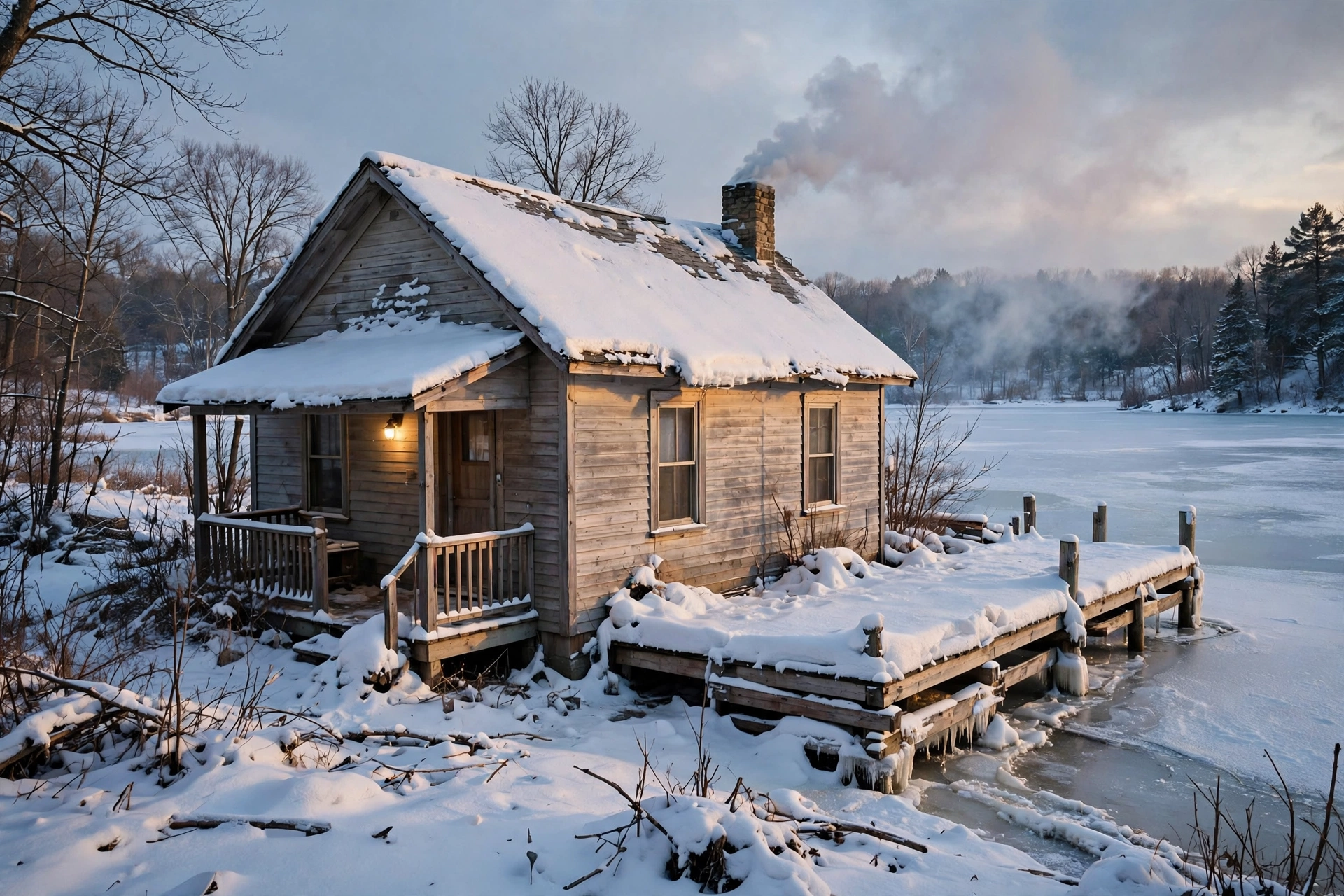
Lake homes and village homes in one town heat on different schedules: a year-round house, a seasonal cottage kept at a low setting, a downtown building with a shop below. Our maintenance and safety inspection adjusts the check to the way each home is actually lived in.
Hortonville calls usually involve a furnace that will not start, a lake home that heats unevenly, or a propane furnace with fuel or burner trouble. The pages below explain each kind of job.
Propane furnace care for rural-edge homes: fuel supply, regulator, and burner checks.
Blower motor and capacitor testing for weak airflow and noisy operation.
Gas furnace diagnosis for ignition, flame sensing, and venting trouble in village homes.
Hortonville sits northwest of Appleton in Outagamie County, and the map below shows the village we serve.
Black Otter Lake is Hortonville's best-known natural landmark, a lake that draws anglers, boaters, and walkers in every season. The Wolf River runs through the area, shaping both recreation and the damp air that lake and river homes feel in winter. Downtown Hortonville, with its shops and village streets, anchors daily life.
For hospital directions, ThedaCare facilities in Appleton serve Hortonville families, a drive southeast along the main routes. New London sits west along the Wolf River, another orientation point for visitors and new residents.
The lake that anchors Hortonville recreation and shapes winter wind for lake homes.
The river running through the area, shaping dampness and recreation alike.
Village shops and streets at the center of town life.
When a furnace quits on the coldest night, the symptom list narrows fast. Our coldest January nights guide walks through the checks in order, and ductwork and airflow balancing helps lake homes whose far rooms never catch up. Rural neighbours in Freedom share the same storm-access pattern.
Hortonville furnace down or lake home gone cold? Call Paper City Heating and name your setting.
Call (920) 523-4330Downtown Hortonville holds village homes on compact streets, many with basements and gas furnaces that have served for years. Lake homes near Black Otter Lake face wind off the water on more sides, which drives drafts and makes far rooms colder than the thermostat hallway. Rural-edge properties beyond the village may run propane furnaces, adding fuel supply and regulator checks that gas homes never need.
That three-way mix is why a Hortonville call starts with questions: where is the home, what fuel does it use, and which rooms feel worst? Those answers point to the right first check, whether it is duct balance for a lake home, ignition for a downtown furnace, or fuel delivery for a propane unit.
Village homes on compact streets, many with basement gas furnaces.
Lake homes with wind exposure from the water, where drafts and cold rooms are common.
Homes beyond the village, some heated by propane furnaces.
Hortonville ZIP code is 54944. Tell us Hortonville by name when you call, since rural routes and lake addresses can be harder to locate than village street addresses.
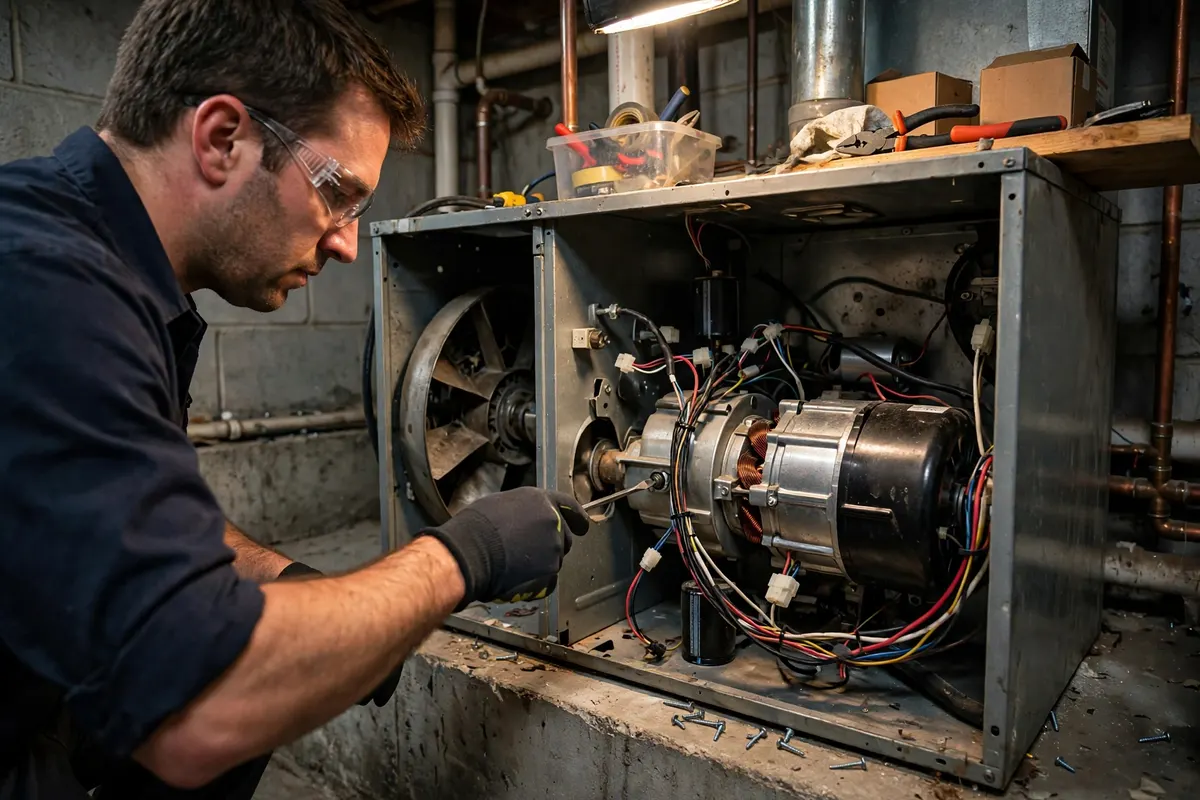
A blower motor that strains shows up first as weak airflow in far rooms. In a Hortonville lake home, the bedrooms facing the water feel it before the hallway where the thermostat hangs. When we open a furnace and find a worn motor or a dirty blower wheel, we show you what we found and explain whether a motor change or a cleaning puts the airflow right, in plain words before any work starts.
Hortonville's spread-out setting makes storm planning practical, not theoretical. A winter storm can delay a propane delivery and drift snow against low vent pipes, so watching tank levels before a forecast storm and clearing vents after one prevents a large share of winter emergencies in town.
Lake homes add one more habit: checking for drafts around lake-facing doors and windows before winter, since wind off the water finds every gap. Sealing the worst gaps reduces furnace cycling and keeps far rooms warmer through a cold snap.
Check propane levels and clear the tank access path.
Clear outdoor vent pipes of drifts so the furnace can breathe.
Fall tune-up: igniter, sensor, blower, and venting checked.
Blower work uses capacitors, bearings, belts on older units, and galvanized steel housings, and we test run current with a clamp meter alongside the multimeter. Motor and control work follows the furnace manufacturer's instructions and local building code, and a cleaned blower wheel moves more air at lower speed, which also quiets the system.
Hortonville's lake homes include both year-round residences and seasonal properties that sit empty through parts of winter, and the two need different care. A seasonal home left with the heat set low still needs its furnace to run reliably, since a failure during an empty stretch can lead to frozen pipes and far larger damage than the furnace repair itself.
Year-round village homes face the steadier pattern: daily heating, regular filter changes, and fall tune-ups that catch weak parts before January. The contrast matters when booking, since a seasonal home visit may need a different checklist, including a check that the thermostat holds its low setting through a power outage.
Wolf River recreation also shapes the village: anglers, boaters, and walkers use the river and lake in every season, and many lake homes double as gathering places for extended family in summer. That summer use means furnaces sit idle for months, and the first fall startup deserves a check before the family returns for winter holidays.
A first fall startup check is simple in practice: the igniter lights cleanly, the flame sensor holds the flame, the blower moves air to every room, and the vent runs clear. When any of those checks fails, a fall repair beats a January emergency, especially for a lake home that the family plans to use through the holidays.
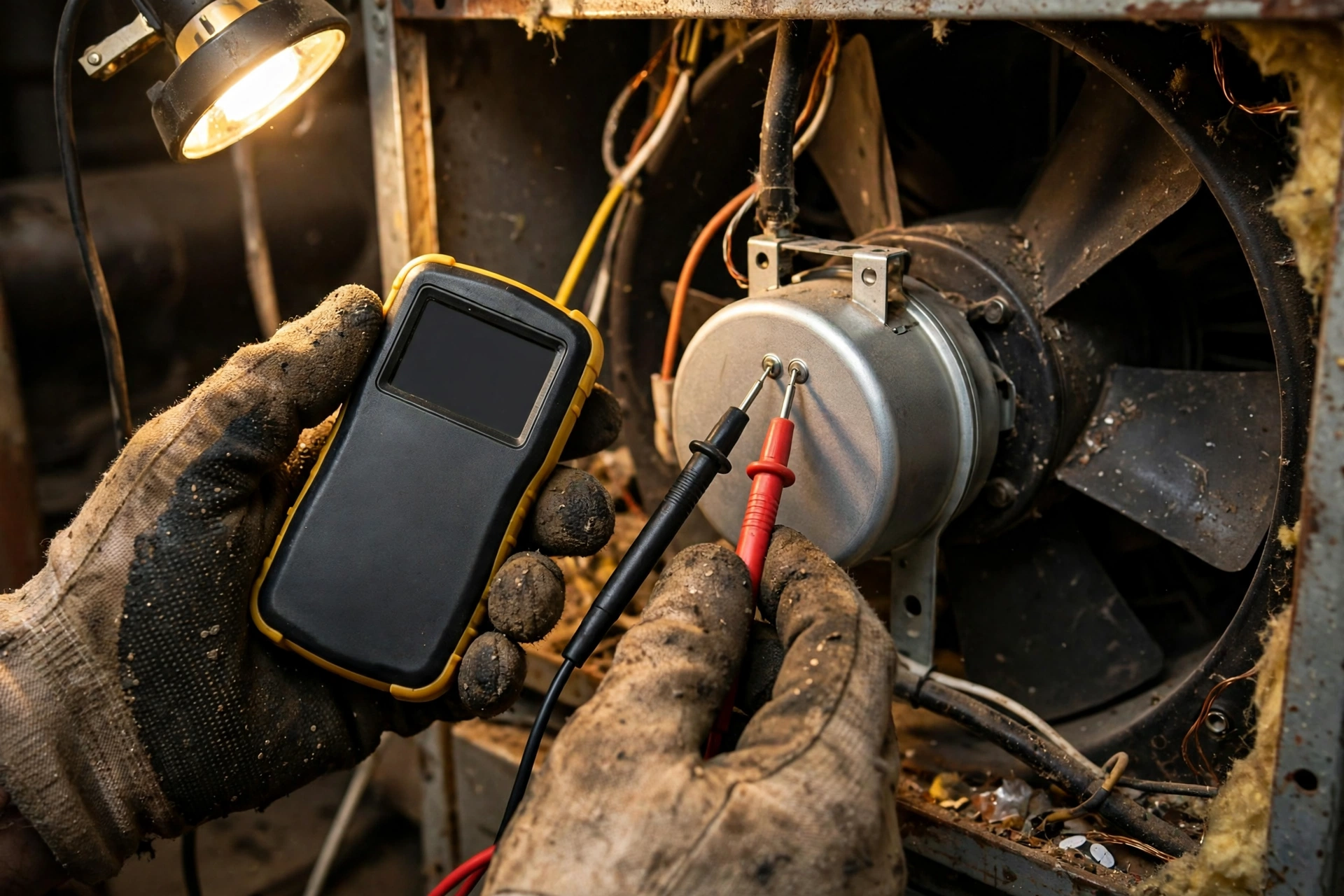
A blower that hums and will not start usually points to its capacitor, a small part with an outsized effect. Testing it with a multimeter, rather than replacing the whole blower motor on a guess, is the kind of check our blower motor repair is built around.
Yes. Rural-edge Hortonville homes often heat with propane, and we check fuel supply, regulator condition, burner adjustment, and ignition controls, since propane work differs from natural gas work.
Lake homes face wind on more sides, and a thermostat in a sheltered hallway cannot sense a cold lake-facing bedroom. Draft sealing, duct balance, and a remote sensor near the cold rooms usually even things out.
Black Otter Lake is known for fishing, boating, and lakeside recreation, and it anchors Hortonville's identity as a lake village. It also shapes winter wind patterns for homes near the water.
Long run times in hard cold are normal as the furnace works to hold temperature. Short cycling, where it starts and stops every few minutes, is not normal and points to airflow, thermostat, or sensor trouble.
Yes, we cover rural-edge properties around Hortonville. Tell us your road and nearest cross street when you call, since rural addresses can be harder to locate.
Warning signs include humming without airflow, weak air from registers, a burning smell, or a blower that stops and starts on its own. We test the motor and capacitor before recommending a replacement, since a bad capacitor can mimic a bad motor.
Call us, name your setting and fuel type, and we will start from there.
Call (920) 523-4330From downtown to Black Otter Lake to the rural roads out of town, Hortonville furnaces face lake wind and long winters. Call Paper City Heating for help matched to your home.
Call (920) 523-4330 Contact usLast updated: October 31, 2026