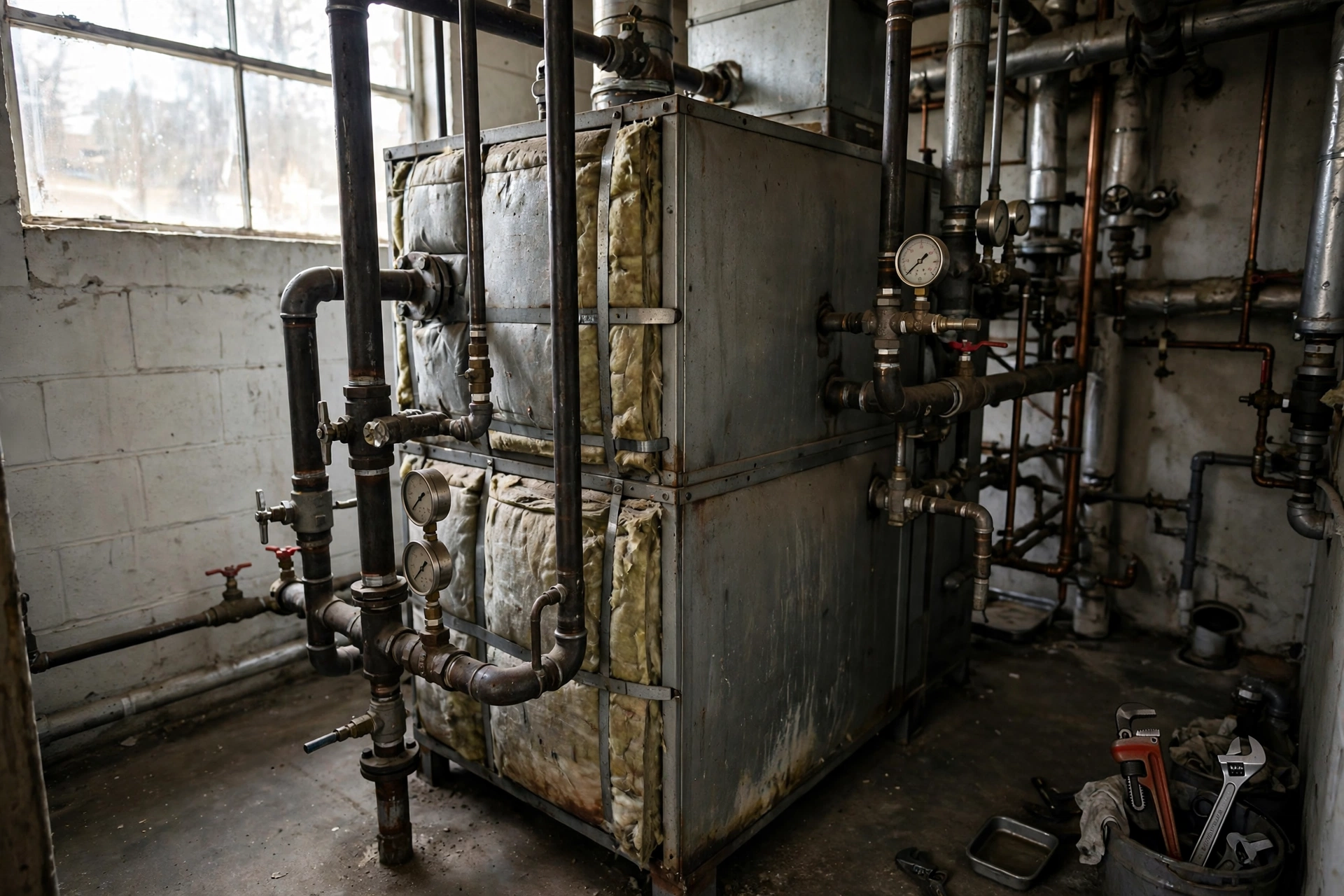
We service commercial furnaces for small businesses around Appleton, from storefronts to warehouses. Call us when heat is uneven, a unit keeps tripping, or a heating plan for the building needs a fresh look, and we will work around your business hours where we can.
Signs a commercial furnace needs work
Uneven heat across a building is the most common commercial complaint, and it has many causes: a rooftop unit serving one area while another unit lags, a damper stuck in one position, a thermostat sensor reading a sunny wall, or a duct run that was never balanced after a remodel. We map which areas feel cold and which units serve them before we touch any equipment.
Short cycling, frequent trips, and units that run constantly without reaching temperature all point to sizing, airflow, or control problems. A unit added for an expansion, a space divided into offices without a duct change, or a warehouse door left open through winter can each push a system past its design. We look at how the building changed since the system was installed, because buildings change faster than heating systems do.
Noise and odor complaints in a commercial space deserve a prompt visit. A rattling rooftop unit, a burning smell from a unit heater, or exhaust odors near a furnace room can affect staff and customers, and they can point to a blower, burner, or vent fault. We treat a commercial odor or noise complaint the same way we treat a home one: check safety first, then comfort.
A commercial visit carries a wider meter case than a home visit: a multimeter and clamp meter for rooftop and unit-heater circuits, a manometer for vent and gas pressure across larger runs, a combustion analyzer for burner efficiency, and an inspection camera for ducts and exchangers that cannot be reached by hand.
Heating a shop, office, or warehouse
Commercial buildings heat differently from houses because the spaces differ. A storefront needs steady warmth at customer level and a clear entrance that does not blast cold air every time the door opens. An office needs even temperatures across rooms that face different directions and hold different numbers of people. A warehouse needs heat that reaches the floor without wasting it at the ceiling, where no one works.
Unit types follow the space. Rooftop units serve larger open areas from above. Unit heaters hang in warehouses and shops and throw heat down to the work floor. Furnaces with ductwork serve offices and divided spaces much like a home system, only larger. A building may use more than one type, and each one needs its own check, because a rooftop unit fault and a furnace fault feel the same from inside until someone looks at the equipment.
Controls differ too. A commercial thermostat may run a schedule, a setback at night, or zones for different parts of the building. A schedule set wrong, a sensor in a sunny spot, or a zone damper stuck closed can leave one part of a building cold while another overheats. We check the control schedule and sensor placement alongside the equipment, because a control fault can mimic an equipment failure.
A commercial visit starts with the building, not the unit: we walk the zones, note which rooms lag, and check the rooftop curb and gas piping for the clearances the installation instructions require. In Neenah storefronts and Appleton workshops alike, a cold corner usually traces to duct layout or a damper, not to a furnace that is simply too small.
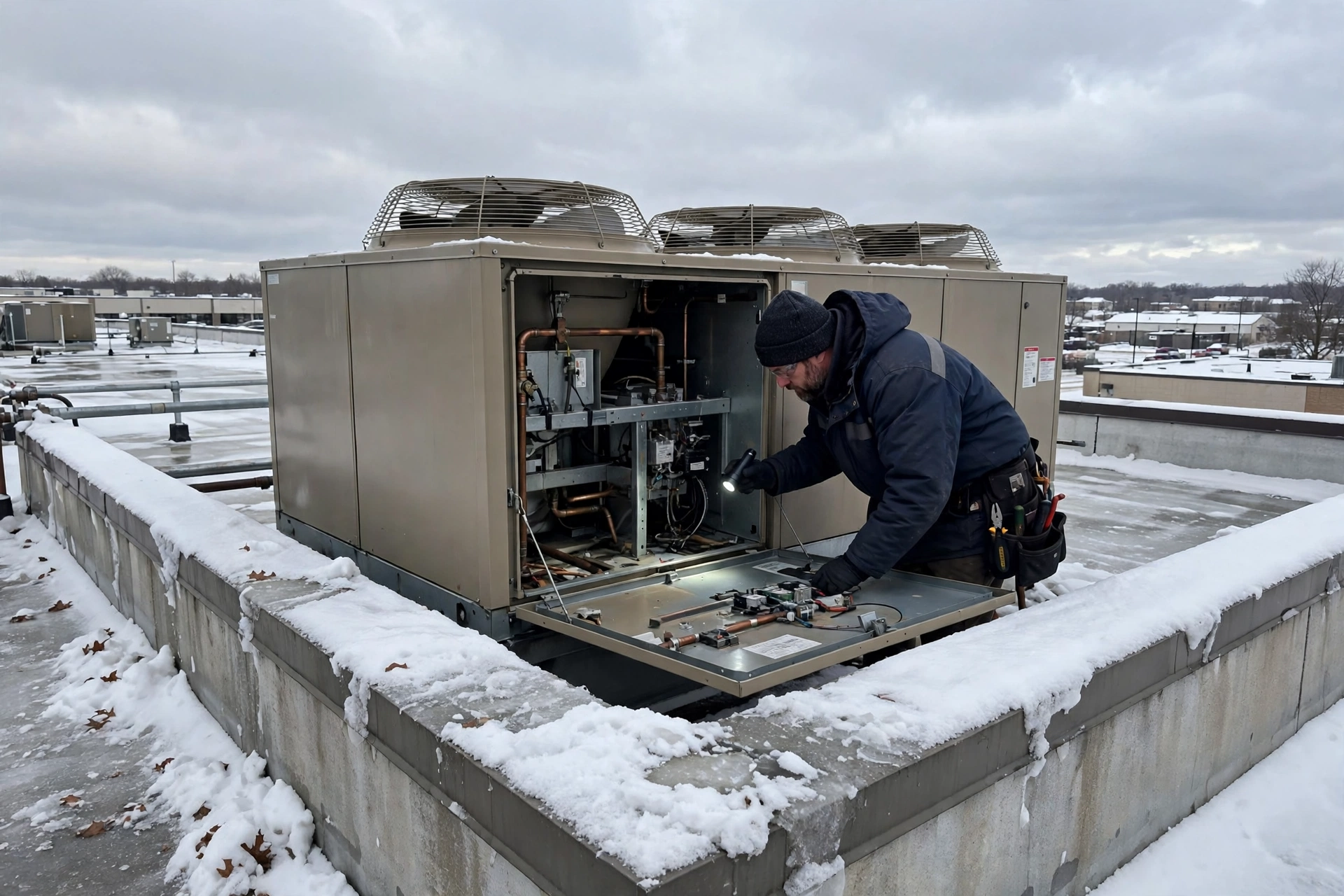
Rooftop units live a harder life than basement furnaces: snow, wind, and roof traffic all reach them. We check the heat exchanger, burner, and economizer damper on each visit, and we use a combustion analyzer to read flue gases rather than judging the flame by eye. When a unit heater in a warehouse bay cannot hold temperature, the fault is often a failed igniter or a gas valve that no longer opens fully, and our gas furnace service covers the same lighting chain in smaller buildings.
When to plan a replacement
A commercial unit that needs a major part every season, serves an area that has changed use, or cannot hold temperature on cold mornings is a candidate for planned replacement rather than another emergency repair. Planned replacement lets a business choose timing, coordinate with a slow week, and avoid a midwinter shutdown that closes the doors.
We lay out the case by unit, not by building. One rooftop unit may be ready for replacement while another has years of sound service left, and replacing both at once wastes money. A unit by unit plan, with findings recorded per unit, keeps the decision honest and the timing in the owner's hands.
Between visits, the building owner can watch filter condition, belt tension, and whether any rooftop vent is blocked by snow or stored material. Those checks follow the unit maker's maintenance guide, and they protect the blower and heat exchanger that a ductwork and airflow check would otherwise find working against blocked returns.
Business heat uneven or a unit tripping? Call Paper City Heating and tell us which part of the building feels cold.
Call (920) 523-4330 Contact UsHow we plan a commercial job
Commercial work starts with a map of the building, not with a single unit. Without that map, a repair in one area can leave another area short, and no one knows which unit to check next time.
Map units to areas
We list every heating unit, note which area each one serves, and record thermostat and zone controls for the building.
Inspect and test each unit
We check burners or elements, blowers, belts, filters, vents, and safety controls on each unit in turn. Commercial work also follows the building's own maintenance schedule and the manufacturer's service intervals, and any venting or gas-line change is done to the local building code.
Check controls and schedule
We review thermostat schedules, sensor placement, and zone dampers for faults that mimic equipment failure.
Report and plan
We report findings by unit and area, flag urgent faults, and plan repairs around business hours where possible.
Rooftop units, unit heaters, and furnaces
Commercial units differ by space served. The comparison below matches unit type to the space it suits and the check it needs most.
| Unit type | Suits | Check focus |
|---|---|---|
| Rooftop unit | Open shops, offices, larger spaces | Blower, belts, filters, controls |
| Unit heater | Warehouses, workshops | Burner, fan, mounting, airflow direction |
| Ducted furnace | Divided offices, storefronts | Duct balance, zones, thermostat schedule |
What a commercial visit feels like
A commercial visit starts with a conversation, not a unit. We ask which areas feel cold, when the problem started, and whether the building changed recently, because a remodel, a new tenant, or a changed use often explains a heating complaint better than any single part. That conversation maps the building in a way a parts list never will.
Unit by unit testing follows, with each rooftop unit, unit heater, or furnace checked in turn. We record findings per unit, so the owner gets a report that names units and areas, not a vague summary. A building with four units needs four findings, even when only one unit is at fault, because the other three findings prove they were checked and are sound.
Timing gets planned with the owner at the end. Louder work, longer work, and work in customer areas suit quieter hours, while inspections and minor fixes fit around business as usual. We agree on that timing before we start, so the heating work helps the business rather than interrupting it. A commercial repair that closes the doors to fix the heat has missed its own point.
We also check filter and belt condition on every commercial visit, because foot traffic and workshop dust clog commercial filters faster than home filters. A filter routine kept on a calendar, rather than on memory, prevents more commercial no heat calls than any single part replacement we make.
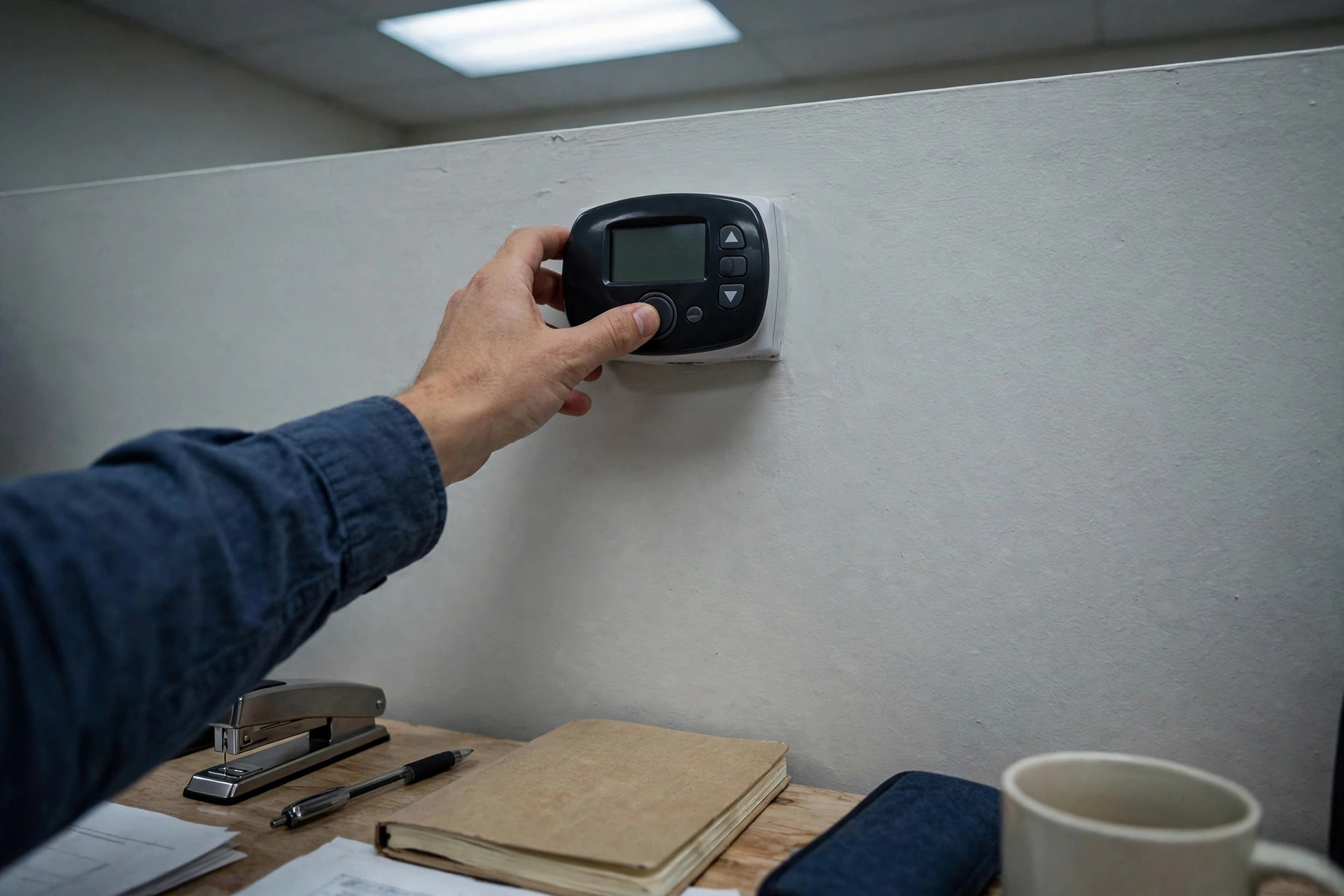
Controls decide whether a commercial system wastes heat overnight. Programmable thermostats, zone dampers, and belt-driven blowers all need to agree: a thermostat calling for heat while a damper stays shut will short-cycle the unit. Galvanized ductwork, flexible connectors, and filter racks are the materials we see most in shops and offices, and we size replacements to the maker's airflow tables so a new filter does not choke an old unit.
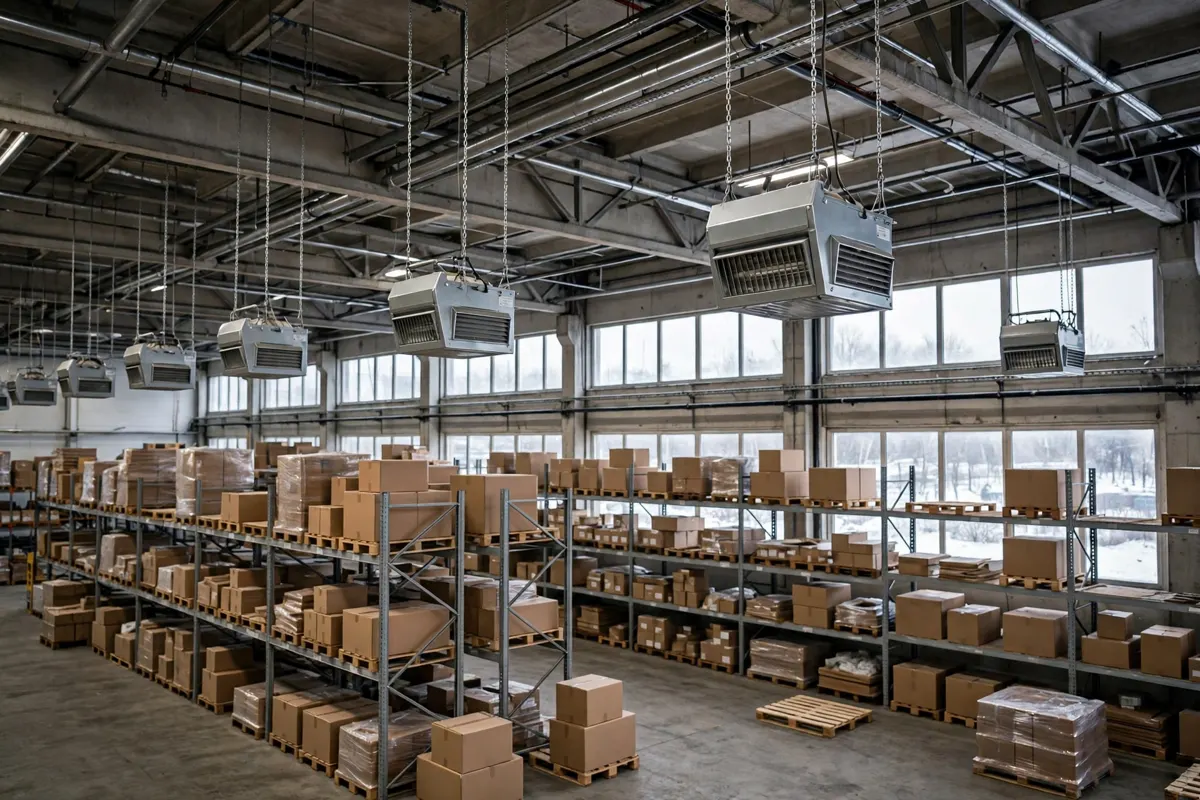
A commercial check starts with the building map
Commercial work starts with a map of the building. Every unit, every area it serves, and every thermostat gets listed before any testing, so findings can be reported by unit and area.
Testing follows unit by unit, with findings recorded per unit. A building with several units needs several findings, even when only one unit is at fault, because the others prove they were checked and are sound.
The Department of Energy publishes commercial building heating guidance that covers system types and maintenance planning for business owners: commercial building guidance from the Department of Energy.
Questions homeowners ask about commercial furnace services
Why is one part of my business cold and another warm?
Uneven commercial heat often traces to different units serving different areas, a stuck zone damper, a thermostat sensor in a sunny or drafty spot, or ducts never balanced after a remodel. Mapping units to areas finds which cause fits each cold spot.
How often should commercial heating be serviced?
Commercial units deserve a preseason check before winter, plus filter and belt checks through the season. Buildings with heavy foot traffic, dust, or long run hours benefit from a calendar routine rather than waiting for a failure, because a unit that fails in January disrupts staff and customers alike.
Can commercial furnace work happen during business hours?
Much of it can, with planning. Inspections and minor repairs often fit around staff and customers, while louder or longer jobs suit early mornings or slower days. We plan timing with the owner so work disrupts business as little as possible.
Keeping staff and customers warm through winter
Winter planning for a business starts before the first hard cold. A preseason check of every unit, including rooftop units that are easy to forget until they fail, catches weak igniters, tired blowers, and clogged filters while the building is still warm. That check also records which unit serves which area, so a midwinter call can be answered with a unit name, not a vague description.
Filter and belt habits matter in commercial systems. Larger filters clog with dust from foot traffic, stock, and workshop activity, and a clogged filter starves a large blower just as surely as it starves a home blower. Belts on older rooftop units crack and slip, which cuts airflow without any warning light. A regular filter and belt routine, kept on a calendar rather than on memory, prevents a large share of commercial no heat calls.
Setback schedules need a winter review too. A night setback that saves heat on a mild night can leave a building too cold to recover by opening time on a deep cold morning. We review the schedule with the owner, check recovery times on cold mornings, and adjust the start time so the building is warm when staff arrive, not an hour after.
Keeping staff and customers warm is a comfort question and a safety one, which is why carbon monoxide testing belongs on every commercial visit alongside burner checks. If a unit is past sound repair, our installation and replacement page explains how sizing works for a shop or office, and a yearly maintenance visit is what keeps belts, bearings, and burners from failing in January.
Common questions about commercial furnace services
What types of commercial buildings do you service?
We service small commercial buildings around Appleton, including shops, offices, storefronts, and warehouses with rooftop units, unit heaters, and ducted furnaces. Larger industrial process heat sits outside our scope, and we say so when a job falls there.
Why does my rooftop unit keep tripping?
Rooftop trips often trace to airflow, belts, filters, ignition, or safety controls. A slipped belt cuts airflow, a clogged filter starves the blower, and a weak igniter fails on cold mornings. Testing each unit in order finds the fault.
Should each area have its own thermostat?
Zoned control helps when areas face different directions, hold different numbers of people, or open at different hours. A single thermostat for a building with mixed uses usually leaves one area cold and another warm, and zoning fixes that pattern.
What is a night setback?
A night setback lowers the heating target when the building is empty, then recovers before opening. A setback that is too deep or starts too late on a cold morning leaves the building cold at opening time, so the schedule needs a winter review.
How do unit heaters differ from furnaces?
A unit heater is a self contained heater that hangs in a space and throws warm air down to the work floor. A furnace moves air through ducts to several rooms. Warehouses suit unit heaters, while divided offices suit ducted furnaces.
Do you offer commercial maintenance plans?
We offer preseason checks and regular filter and belt routines planned around the building and its units. The plan follows the unit map we build on the first visit, so each unit gets the checks it actually needs.
Related services
Talk to Paper City Heating
Call us at (920) 523-4330 or email info@furnacerepairappletonwi.com about a commercial furnace, from a shop unit to a larger building system. We will check the unit and its controls and explain the findings plainly.
Call (920) 523-4330 Contact UsLast updated: October 31, 2026