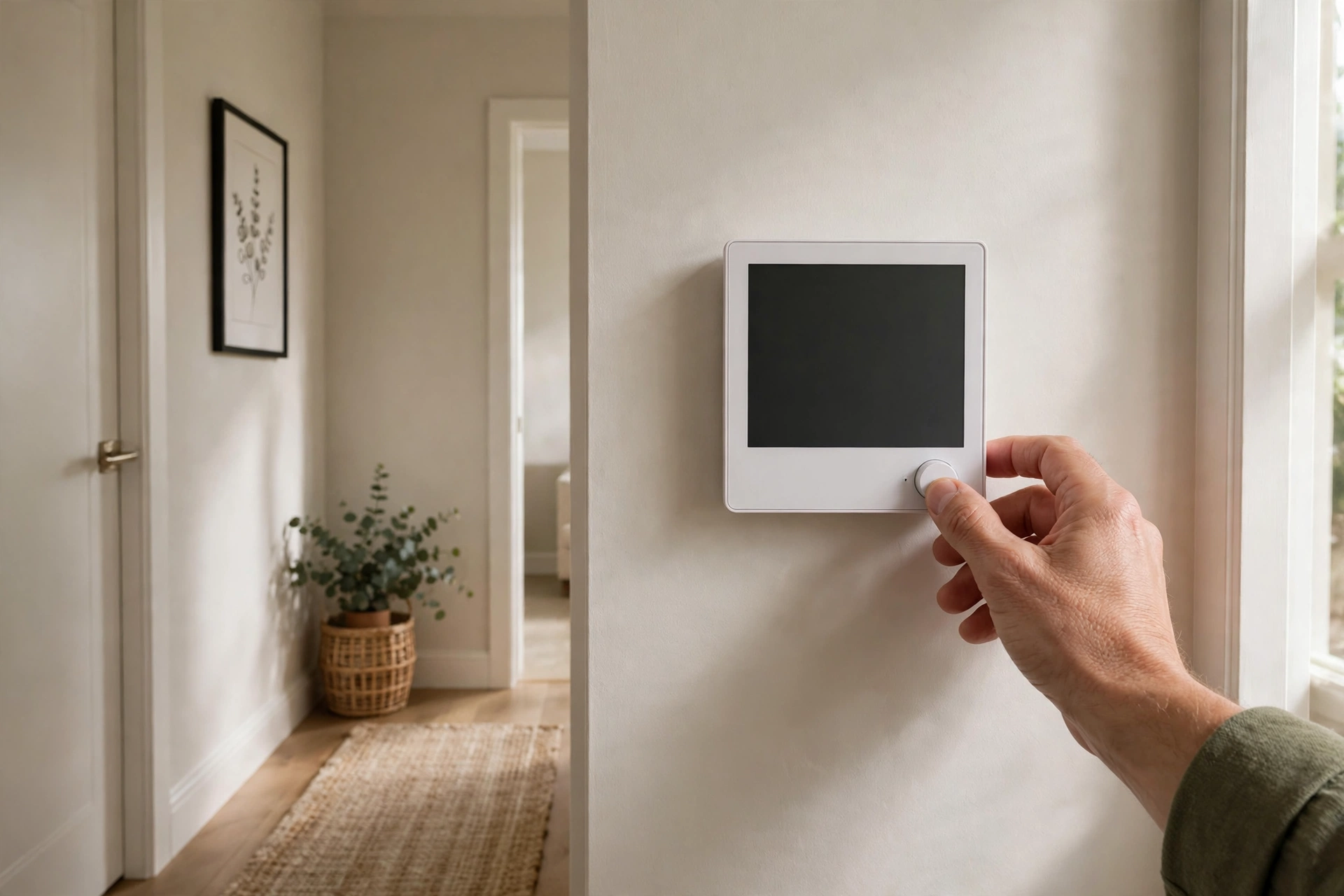
We sort controls out before we blame equipment. Call us when temperatures swing, the furnace runs at odd times, or one floor feels different from another, and we will test the thermostat, wiring, and zone controls as a system. The problems that point to controls rather than the furnace itself are distinctive: one room that stays cold while the rest warm up, a furnace that short-cycles because the thermostat sits above a heat source or in a draft, and a house where one floor runs hot while another runs cold. Each of those can look like a furnace fault, and each traces back to a control, a sensor location, or a zone damper.
Zone heating in a two story home
Two story homes are the classic zone case. Heat rises, so the upper floor warms first and the lower floor lags, or the lower thermostat calls for heat until the upper floor overheats. A zone system splits the house into areas, each with its own thermostat and damper, so each floor gets the air it needs without overheating the other.
Zone dampers sit in the ductwork and open or close by area. A zone panel reads each thermostat, opens the dampers for calling zones, and tells the furnace and blower how to respond. When only one small zone calls, the blower may need a bypass or a speed adjustment so pressure does not spike in the ducts. We size that bypass and check pressure during setup, because a zone system without pressure relief can damage ducts and strain the blower.
Not every two story home needs full zoning. Sometimes a damper balance, a return path fix, or a thermostat move solves the imbalance for less work. We test the house first, measure room temperatures over a cycle, and recommend zoning only when the pattern shows that one thermostat cannot serve two different floors fairly.
Zone heating in a two-story home works when the zones, the dampers, and the blower are sized together. A zone that is too small for the furnace's minimum airflow will short-cycle the unit, and the fix may be a bypass damper, a staging change, or a different zone layout rather than a new thermostat. Our ductwork and airflow page explains the air side of that balance, and a yearly tune-up keeps the dampers and motors moving without sticking.
The Department of Energy explains thermostat settings and how they affect comfort and energy use through the heating season: thermostat guidance from the Department of Energy.
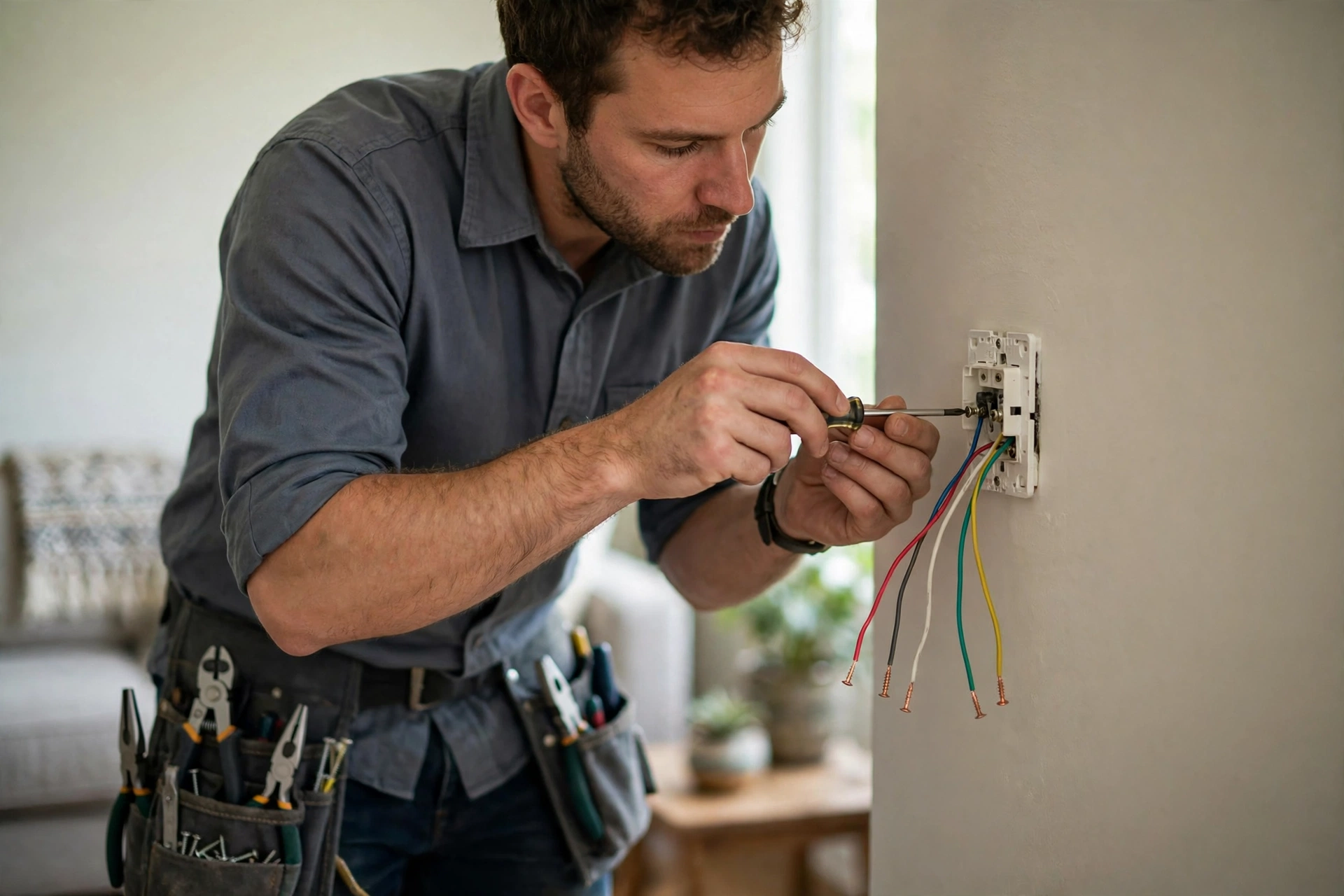
Most thermostat faults are wiring faults, not thermostat faults. We check each low-voltage conductor at the wall plate and at the furnace control board, confirm the common wire where the control needs one, and test the call for heat, cool, and fan separately. Red, white, green, and yellow conductors each carry one job, and a nicked wire or a loose terminal will drop a call that a new thermostat cannot restore, which is why controls work pairs with electric furnace testing when the panel and the wall disagree.
Low-voltage wiring follows the manufacturer's wiring diagrams and the national electrical code's low-voltage practices, so a control change never overloads a transformer or a zone panel.
Controls that help a furnace last
Steady control helps equipment as well as comfort. A furnace that short cycles from a bad sensor or a wrong anticipator setting wears igniters, motors, and controls faster than a furnace that runs steady cycles. Fixing the control often extends the life of the parts around it, which is why a control visit can be the cheapest repair a furnace ever gets.
Keep the thermostat area clear. Curtains over a thermostat, a lamp beside it, or a bookshelf blocking airflow around it all skew its reading. A thermostat needs still, representative air to do its job. A small change in what sits near it can change how the whole house heats, and it costs nothing to fix.
Controls that help a furnace last are the unglamorous ones: a thermostat placed away from drafts and direct sun, zone dampers that actually close, and a blower setting that matches the ductwork. Those habits follow the thermostat maker's placement guide, and they protect the limit switch and heat exchanger that gas furnace service checks when a furnace cycles too often.
Thermostat swinging or one floor always off? Call Paper City Heating and we will test the controls as a system.
Call (920) 523-4330 Contact UsWhat a controls visit feels like
A controls visit starts at the wall, with a thermometer beside the thermostat. Comparing the thermostat reading to a known thermometer takes a minute and answers the first question: is the sensor telling the truth? A thermostat that reads several degrees off will mislead the furnace all winter, and no equipment repair fixes a lying sensor.
Wiring comes next, at the thermostat and at the furnace. We check continuity, look for loose or shorted wires, and confirm the wiring matches the furnace type. A single stage thermostat on a two stage furnace, or a smart thermostat without a common wire, each produce patterns that look like equipment faults. Finding the wiring fault first saves a furnace repair that was never needed.
Zone testing finishes the visit, with each zone calling in turn while we watch dampers move and listen for thumps or stalls. A zone system that moves smoothly, one zone at a time, is a system working as designed. A zone that never calls, or a damper that sticks, shows up clearly in that sequence, and we fix the link that failed, not the whole panel.
We also check what sits near the thermostat on every controls visit, because a lamp, a curtain, or a bookshelf can skew its reading. Moving an object a few inches sometimes fixes a house wide temperature swing, and that fix costs nothing and lasts as long as the object stays moved. We point out the culprit during the visit, so the fix is obvious and you can keep it in place after we leave.
Thermostat types compared
Thermostat types suit different routines. The comparison below matches type to routine, with the watch point for each.
| Thermostat type | Suits | Watch point |
|---|---|---|
| Manual | Simple routines, steady schedules | No automatic setback |
| Programmable | Regular workday routines | Schedule must match the routine |
| Smart with sensors | Mixed routines, sensor rooms | Learning schedule can fight the routine |
Why the thermostat is often the culprit
A thermostat is a sensor and a switch in one box. It measures the air around it, compares that reading to your setting, and tells the furnace to fire, stage, or stop. When the sensor sits in a sunny spot, above a heat register, or on a cold outside wall, it measures the wrong air and the furnace follows a wrong reading. The house feels uneven while the furnace does exactly what it was told to do.
Wiring faults mimic control faults. A loose wire, a wire shorted by a staple, or a thermostat wired for a single stage furnace on a two stage system can all cause short cycling, missed stages, or a fan that runs without heat. We test wiring at the thermostat and at the furnace together, because a fault at either end looks the same from the living room.
Settings matter as much as hardware. A heat anticipator set for the wrong furnace type, a staging delay set too short, or a smart thermostat learning schedule that fights the family's routine can all produce swings. We check settings against the furnace type during a visit, and we show you which settings to leave alone after we leave.
The thermostat is often the culprit because it is the only control most people touch, and its symptoms look like furnace trouble: no heat, heat that never stops, or rooms that never agree. In Combined Locks and Appleton, we start at the wall, not at the furnace, and work outward from there.
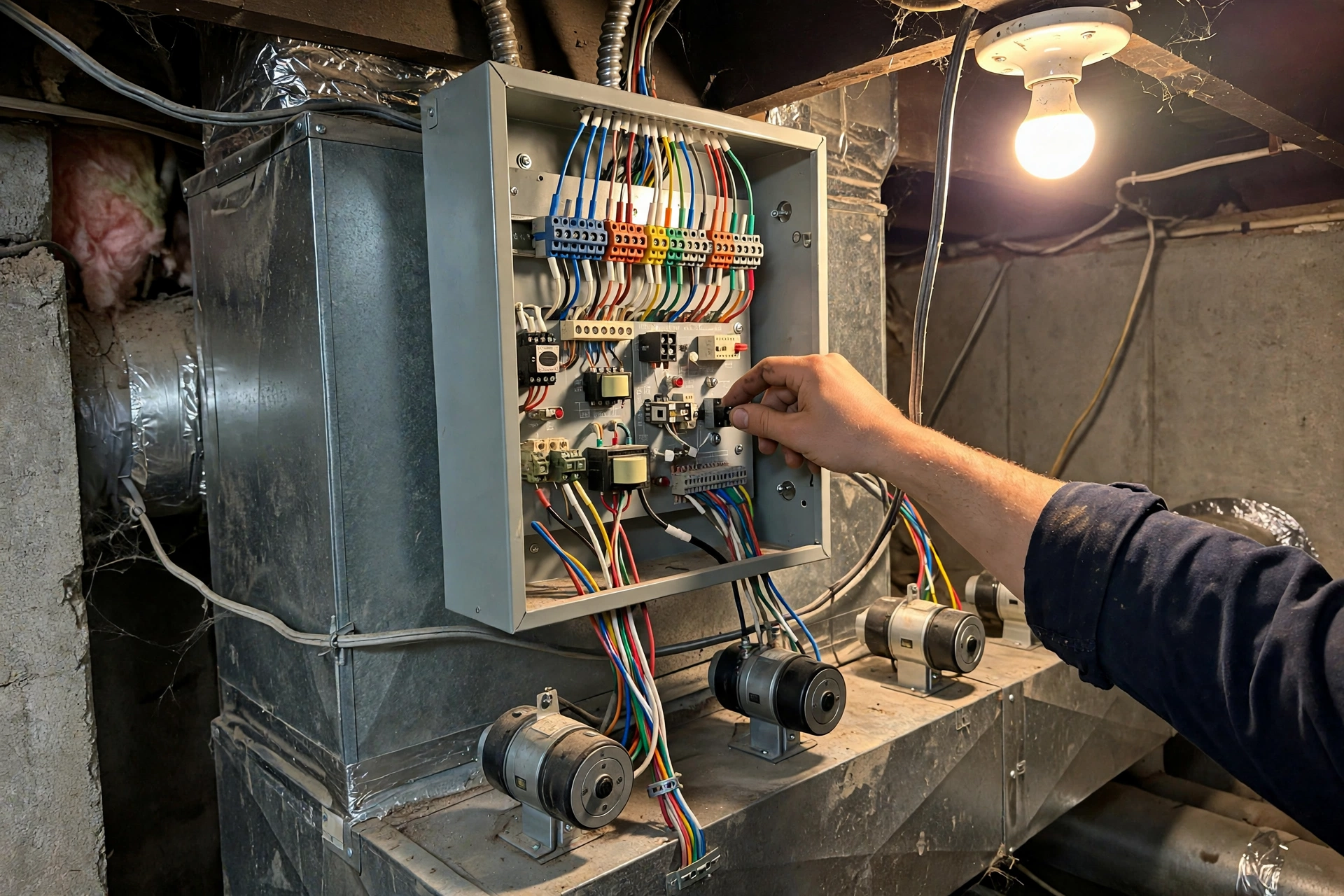
A zone panel is the traffic controller for a zoned home. It takes calls from each thermostat, opens the right damper motors, and tells the furnace and blower what to do, and it must also protect the system when only one small zone calls, by managing airflow so the furnace does not overheat. We test each damper motor, each thermostat input, and the panel's staging against the maker's wiring diagram and installation instructions, and the result should be rooms that hold their own temperatures without fighting each other. Copper conductors, plastic wire connectors, and steel damper motors are the materials in the panel, and a multimeter and a small screwdriver are the tools that test each zone call.
A controls check starts at the wall
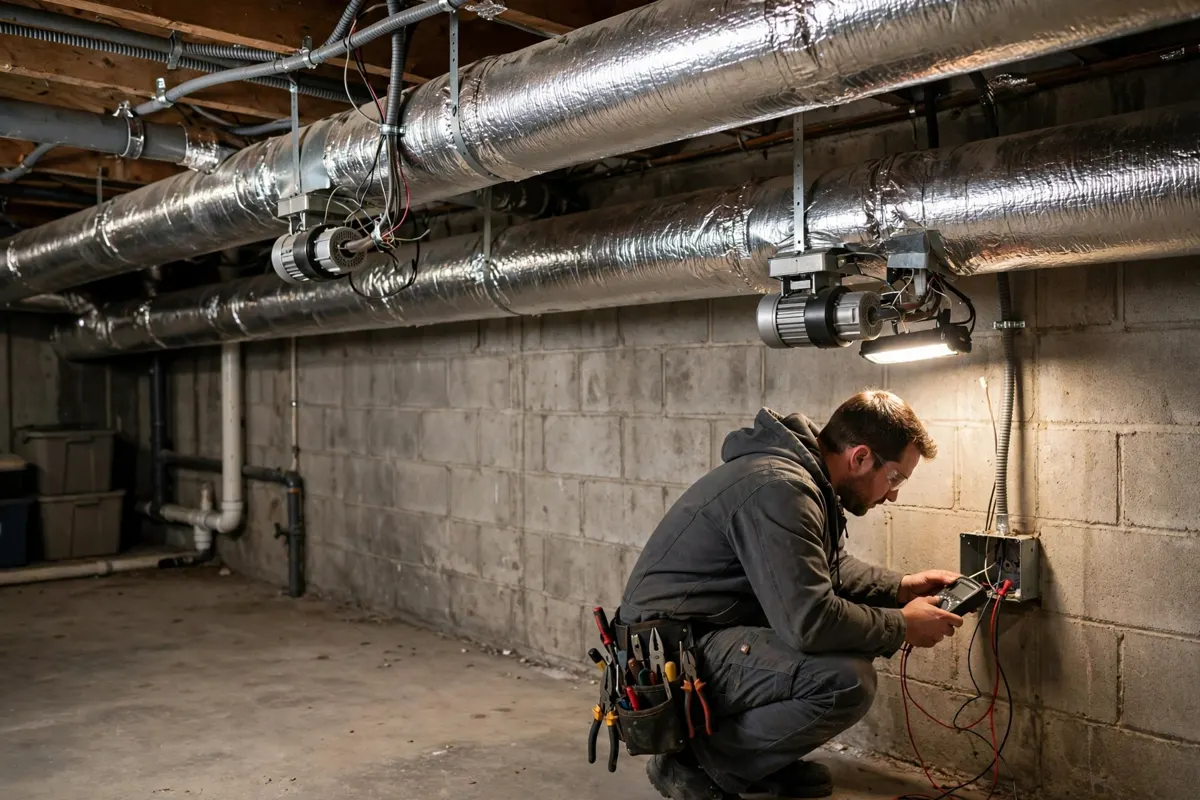
Controls work starts at the wall, with a thermometer beside the thermostat. A sensor that reads several degrees off will mislead a furnace all winter, and no equipment repair fixes a lying sensor.
Wiring checks follow, at the thermostat and at the furnace. Continuity, loose wires, and staging match get tested together, because a wiring fault at either end looks the same from the living room.
Signs your controls are holding heat back
Temperature swings of several degrees between cycles, a furnace that fires for a few minutes and stops, or a house that feels warm at the thermostat and cold elsewhere all point to controls. A thermostat in a hallway that warms fast will shut the furnace down before bedrooms catch up. A thermostat in a cold entry will hold the furnace on until the hallway overheats.
A furnace that runs when no one set it to run, or that ignores a setting change, points to a schedule, a sensor, or a wiring fault. Smart thermostats with learning schedules, geofencing, or remote sensors can each produce that pattern when a setting conflicts with the routine. We review the schedule and sensor setup with you, rather than replacing the thermostat on the first visit.
Zone complaints have their own pattern. One zone overheats while another stays cold, a zone never calls for heat, or a damper thumps when it moves all point to zone controls, damper motors, or zone panel wiring. A zone system is several thermostats, a panel, and several dampers working together, and a fault in any link shows up as a room problem.
Questions homeowners ask about thermostat, controls & zone heating
Why does my house feel cold even though the thermostat reads warm?
A thermostat reads only the air around it. If it sits in a sunny spot, above a register, or in a hallway that warms fast, it shuts the furnace down before other rooms catch up. Moving the thermostat or adding a remote sensor often fixes the pattern.
Should I get a smart thermostat?
A smart thermostat suits homes with changing routines and rooms that need sensor coverage. It suits less well when the routine is steady and the current thermostat already holds temperature well. The furnace type and wiring must match the new control.
What is zone heating?
Zone heating splits a home into areas, each with its own thermostat and duct damper. A zone panel opens dampers for calling areas and tells the furnace how to respond, so each floor or wing gets the heat it needs without overheating the rest.
How we set up zones that work
Zone setup is a system job, not a thermostat swap. The thermostats, panel, dampers, and blower must agree, or the house ends up uneven in a new pattern.
Test thermostat and wiring
We check thermostat readings against a known thermometer, test wiring continuity, and confirm staging and fan settings match the furnace.
Check zone panel and dampers
We test each zone thermostat, the panel, and each damper motor, and we watch dampers move through a full cycle.
Measure pressure and rooms
We measure duct pressure with one zone calling, then check room temperatures across zones for balance.
Set and show
We set schedules and staging to fit the house, test a full cycle, and show you the settings that matter day to day.
Common questions about thermostat, controls & zone heating
Where should a thermostat sit?
On an inside wall, away from direct sun, drafts, heat registers, and lamps, at a height that measures representative room air. A thermostat on a cold outside wall, in a sunny entry, or above a register reads wrong air and misleads the furnace.
Why does my furnace short cycle?
Short cycling can mean a thermostat sensor fault, a wrong anticipator or staging setting, an oversized furnace, or an airflow limit tripping. We test controls first, because a control fix is simpler than an equipment fix and often ends the pattern.
Can a thermostat cause a furnace to run all day?
Yes, if a sensor reads cold air, a schedule holds a high target, or wiring holds the heat call on. A thermostat stuck on, a sensor in a draft, or a zone panel fault can each hold the furnace on past comfort.
Do I need a common wire for a smart thermostat?
Many smart thermostats need a common wire for steady power. Some can run without one, but power stealing can cause erratic behavior. We check wiring at the furnace before recommending a smart control.
How many zones does a home need?
Most homes need two or three zones: one per floor, or one per wing where use differs. More zones add dampers and panel complexity, and each small zone needs pressure relief so the blower does not strain the ducts.
Why does my zone damper thump?
A thumping damper often means a motor driving against a stuck blade, a panel closing a damper too fast, or pressure spiking when only one small zone calls. We test motor, blade, and pressure together to find the cause.
Related services
Talk to Paper City Heating
Call us at (920) 523-4330 or email info@furnacerepairappletonwi.com about thermostat, control, or zoning trouble. We will test controls and sensors in order and explain what we find in plain words.
Call (920) 523-4330 Contact UsLast updated: October 31, 2026